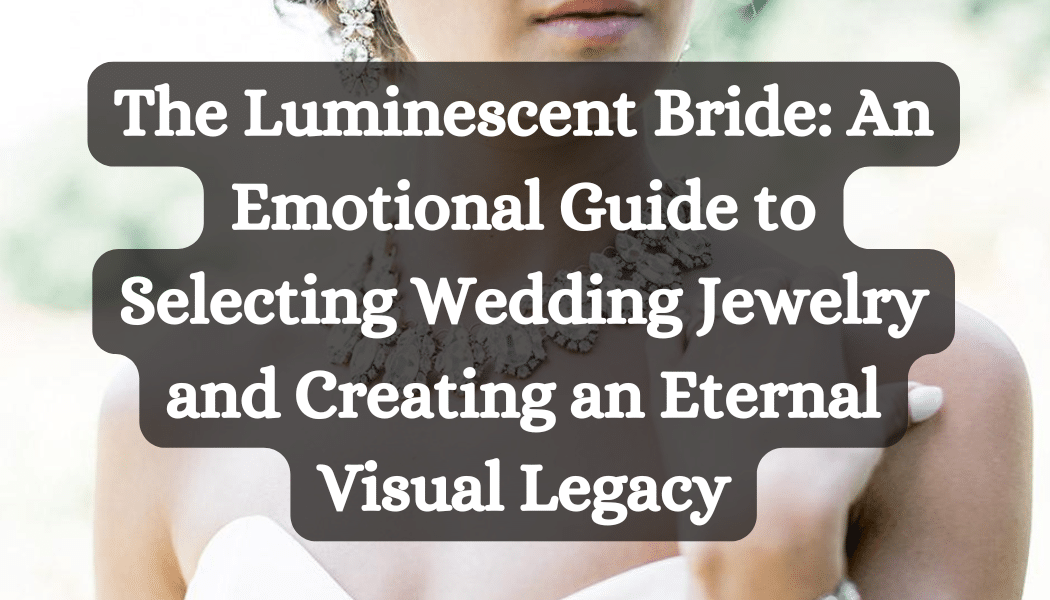
Planning a wedding involves bringing together dozens of details, from the wedding dress and shoes to your hairstyle, makeup and jewellery. While each element can be chosen separately, the most beautiful bridal looks often have one thing in common: everything feels connected.
Picture a closet where a 1970s silk blouse hangs next to a sharp modern blazer, and a beaded evening bag from a thrift store sits beside sleek leather boots. The woman who dresses this way treats eras as a palette rather than a rule, pulling one piece from the past and one from the present into a single outfit. Her engagement ring faces the same test every morning. A ring that belongs only to one period will clash with half of what she owns, so the goal is a ring that does what her wardrobe does, looking old and new at the same time.
It comes down to one idea. Pick a design with a foot in each era, then keep the execution clean enough to sit under a vintage sleeve or beside a contemporary cuff without looking out of place. That usually means a shape with real history and a setting with a modern line, plus detailing that nods to the past without turning the ring into a costume piece.
Choosing wedding jewelry is one of the most personal decisions a bride makes during her planning process. Unlike the dress, which is often chosen first and anchors every other decision, jewelry requires a different kind of thinking. It has to work with the gown, enhance the overall look, and reflect the bride’s personality, all without overwhelming what she’s wearing. The challenge is not finding beautiful pieces. The challenge is finding the right ones.
The process becomes much more manageable when broken into specific considerations: dress style, neckline, metal tone, and occasion formality. Brides who approach jewelry with a clear framework tend to feel more confident in their choices and avoid the common mistake of buying pieces that look stunning in isolation but clash with the full bridal look. A few key principles, applied thoughtfully, can guide every decision from earrings to bracelets.
There is a singular, transformative moment when a bride finally puts on her jewelry. It is the definitive bridge between the quiet anticipation of the morning preparation and the sweeping poetry of the wedding day itself. Amidst the delicate scent of fresh floral arrangements and the soft clinking of champagne glasses, placing a meticulously chosen necklace or fastening a pair of luminous earrings marks a profound shift. In that precise second, the gown is no longer just a beautiful dress; it becomes a royal garment, and the woman wearing it steps fully into her role as the sovereign heart of the celebration.