
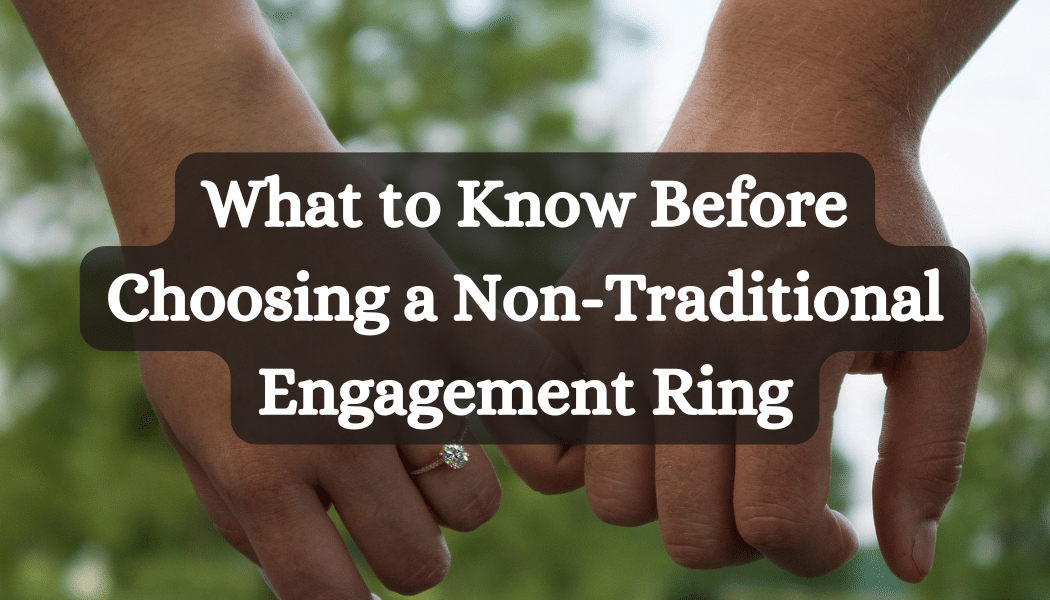
Engagement rings do not need to follow one fixed style anymore. A ring can have a blue sapphire, a salt-and-pepper diamond, a twisted gold band, a vintage shape, or two stones sitting side by side. The best ring is the one that feels right on the hand and right for the person wearing it.
A non-traditional engagement ring gives you more room to choose color, shape, meaning, and style. It can feel romantic without looking like every ring in a jewelry case. But you still need to think about daily wear, stone strength, setting safety, budget, and long-term care.
This guide explains what to check before choosing a non-traditional engagement ring, so you can pick something personal without making a choice you regret later.
Table of Contents
What Makes an Engagement Ring Non-Traditional?
A non-traditional engagement ring is any ring that moves away from the classic white diamond solitaire. That does not make it less beautiful or less serious. It simply means the ring uses a different stone, shape, setting, metal, or design idea.
Some rings use colored gemstones like sapphire, emerald, ruby, aquamarine, or morganite. Others use salt-and-pepper diamonds, black diamonds, lab-grown diamonds, moissanite, or unusual cuts like kite, pear, oval, or marquise.
The setting can also make a ring feel different. East-west settings, cluster rings, toi et moi rings, vintage engagement rings, open bands, and asymmetrical designs all fall into this group.
A good non-traditional ring still feels balanced. It should look intentional, not random. That is the big thing.
Start With Personal Style, Not Trends
Trends can help you get ideas, but they should not make the final choice for you. A ring stays on the hand long after a trend fades. So start with the wearer’s actual style.
Look at the jewelry they already wear. Do they choose thin gold bands, chunky rings, silver pieces, vintage designs, or colorful stones? Their daily choices tell you more than a Pinterest board ever will.
Also think about their clothes. A person who loves clean, simple outfits may prefer a low-profile bezel ring. Someone with a bolder style may love a black diamond, a large oval sapphire, or a cluster ring with mixed stones.
Ask simple questions before you shop. Do they like yellow gold or white gold? Do they prefer modern or antique styles? Do they wear jewelry every day, or only for special events?
These answers matter. A ring should fit into the person’s life, not fight with it.
Understand Stone Options Beyond the Classic Diamond
The center stone controls much of the ring’s look and function. Diamonds remain popular because they handle daily wear well. But many other stones can work beautifully if you choose with care.
Sapphires make a strong choice for non-traditional engagement rings. They come in blue, pink, yellow, green, and white. They also resist scratches better than many colored gemstones.
Rubies offer rich color and strong durability. They work well for someone who wants a romantic ring with a bold feel. A ruby ring can look classic or dramatic, depending on the setting.
Emeralds look elegant, but they need more care. They often have natural inclusions, which can make them easier to chip. If someone loves emeralds, a protective setting like a bezel can help.
Aquamarine gives a soft blue look. It feels calm, fresh, and light. It suits people who want color without a loud ring.
Morganite has a peach-pink tone that pairs well with rose gold. It looks warm and romantic, but it can scratch more easily than sapphire or diamond. It may need extra care over time.
Moissanite gives strong sparkle at a lower cost than many diamonds. It also holds up well for daily wear. Some people love its bright fire, while others prefer a softer sparkle, so see it in person if possible.
Lab-grown diamonds give you the diamond look with a different origin story. They have the same basic physical structure as mined diamonds, and they work well for people who want durability with a modern choice.
Salt-and-pepper diamonds have visible inclusions, which create a smoky or speckled look. They suit people who like natural texture and a less polished style. They can look amazing in yellow gold or blackened metal.
Think Carefully About Durability and Daily Wear
Engagement rings usually face real life every day. They bump against desks, bags, doors, gym gear, kitchen counters, and, yeah, sometimes the washing machine. Pretty matters, but strength matters too.

Gemstone hardness affects how well a stone resists scratches. Diamond sits at the top, while sapphire and ruby also perform well. Stones like opal, pearl, moonstone, and morganite need gentler handling.
A softer stone does not mean “bad choice.” It means the wearer must treat the ring with more care. Some people can do that easily, while others need something tougher.
Lifestyle should guide the decision. A person who works with their hands may need a low-set ring with a secure setting. A nurse, artist, teacher, gardener, chef, or fitness lover may prefer a ring that does not snag or sit too high.
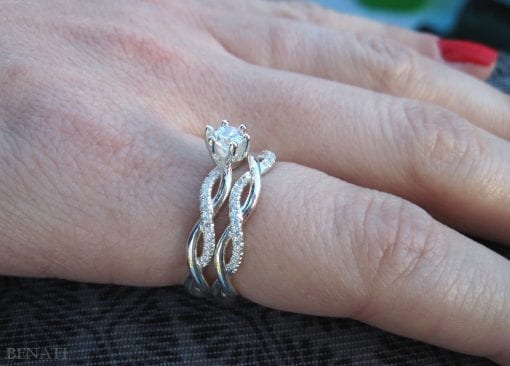
A bezel setting can protect the edge of the stone. A low-profile design can reduce bumps. A thicker band can add strength, especially for a ring that gets worn daily.
Here is a practical tip: check how the ring feels under gloves, in pockets, and while holding a phone. If the ring catches on everything in the store, it will probably annoy the wearer later.
Choose a Setting That Supports the Design
The setting holds the stone in place, but it also shapes the whole mood of the ring. A simple setting can make an unusual stone feel clean and modern. A detailed setting can make a ring feel vintage, romantic, or artistic.
Prong settings show more of the stone and allow more light to enter. They can create strong sparkle. But prongs can catch on fabric, and they need checks over time.
Bezel settings wrap metal around the stone. They protect the edges and create a smooth look. This setting works well for active people and for stones that need extra protection.
An east-west setting turns an oval, emerald, marquise, or pear-shaped stone sideways. This small change makes the ring feel fresh without making it hard to wear.
Cluster settings use several smaller stones instead of one large center stone. They can create a floral, antique, or bold look. Make sure the small stones sit securely, because tiny side stones can loosen if the craftsmanship is weak.
Toi et moi rings use two center stones. The design can represent two people, two paths, or two personalities. It can also mix stone colors, like diamond with sapphire or emerald with pear-shaped diamond.
For a moodier style, some couples look at designs inspired by gothic romance, vintage drama, or deeper metal tones. A collection like Dark Romance Couple Rings can fit naturally into this style conversation because it shows how darker details, symbolic shapes, and paired designs can still feel like commitment jewelry rather than costume pieces.
Consider Metal Choice and Skin Tone
Metal changes the whole look of the ring. The same stone can look cool, warm, soft, or bold depending on the metal around it.
Yellow gold works well with warm stones like champagne diamonds, morganite, ruby, and green sapphire. It also gives vintage engagement rings a rich look.
White gold and platinum create a clean, bright finish. They pair well with blue sapphire, aquamarine, white diamond, moissanite, and emerald.
Rose gold adds warmth and romance. It works nicely with morganite, pink sapphire, salt-and-pepper diamonds, and floral settings.

Platinum costs more in many cases, but it offers strong durability. Gold gives more color choices, but different karats have different strength levels. For example, 14k gold usually handles daily wear better than softer high-karat gold.
Metal should support the stone, the skin tone, and the wearer’s habits. A ring can look perfect in a photo but feel wrong if the metal clashes with everyday jewelry or needs more upkeep than expected.
Set a Realistic Budget Before You Shop
A non-traditional ring does not always cost less than a classic diamond ring. Sometimes it does. Sometimes it costs more.
Price depends on the stone, size, cut, metal, setting, designer, and custom work. A small sapphire in a simple setting may cost less than a large diamond solitaire. A rare colored diamond or detailed custom ring may cost much more.
Set the budget before you fall in love with a design. This saves stress. It also helps the jeweler show you better options within your range.
Do not judge value by size alone. A well-cut smaller stone can look better than a larger dull one. A secure setting also matters more than a flashy design that will need repair in six months.
Ask what the price includes. Does it cover resizing? Does it include a warranty? Will the jeweler inspect the ring later? These details can save money after the proposal.
Decide Whether Custom Design Is Worth It
Custom design makes sense when you want a ring with a very specific look or meaning. It allows you to choose the stone, metal, setting, band shape, and small details.
A custom ring can include birthstones, family stones, symbols, engraving, or a design based on a shared memory. That can make the ring feel deeply personal.
But custom work takes more time. It also requires more decisions. You need a jeweler who explains the process clearly and shows sketches, CAD images, or wax models before production.
Custom also leaves less room for easy returns. So ask questions early. Confirm the stone, measurements, metal, timeline, payment terms, and resizing policy before you approve the design.
Here is a real-world tip: do not design only for the proposal photo. Design for the next ten years. A ring should still feel comfortable on a normal Tuesday.
Pay Attention to Ring Maintenance and Care
Every engagement ring needs care, but non-traditional rings can need different care based on the materials. Ask the jeweler how to clean the stone, how often to check the setting, and what activities the wearer should avoid.
Some stones should not go into ultrasonic cleaners. Some stones can react badly to heat or chemicals. Opals, pearls, emeralds, and certain treated stones need special caution.
Prongs should get checked at least once or twice a year. This matters even more for rings with small side stones or detailed settings. A loose prong can turn into a lost stone fast.
Elizabeth, founder of Aquamarise, often explains ring care in a simple way: a beautiful ring should also suit the wearer’s habits. That advice helps buyers think beyond the first look. A ring may sparkle in a display case, but it still needs to handle handwashing, travel, work, weather, and daily movement.
The wearer should remove the ring during heavy cleaning, lifting, swimming, or rough outdoor work. Soap, chlorine, lotion, and dirt can dull the ring or weaken parts over time.
Insurance can also help, especially for custom rings or rare stones. Keep the receipt, appraisal, grading report, and clear photos in a safe place.
Make Sure the Ring Still Feels Like an Engagement Ring
A non-traditional ring can be colorful, dark, vintage, minimal, bold, or unusual. Still, it should feel connected to the commitment it represents.

The ring should make the wearer feel seen. That matters more than following a rule about diamond size or stone type. If the design reflects their taste and your shared story, it already has meaning.
Some people want a ring that starts conversations. Others want one that feels private and quiet. Both choices work.
Try to choose a ring the wearer will enjoy explaining. If they can say, “This stone means something to us,” or “I always loved this style,” the ring will feel more personal.
Final Thoughts
A non-traditional engagement ring gives you more freedom, but it also asks for smart choices. You need to think about style, stone strength, setting safety, metal color, budget, and care.
Start with the person who will wear the ring. Then choose the design around their life, not just around a trend.
The best ring does not need to look like anyone else’s. It needs to feel personal, comfortable, durable, and meaningful. That is what makes it worth wearing every day.


