Finding a wedding photographer takes longer than most couples expect. The search usually starts with a dozen open tabs and ends weeks later, after portfolios have blurred together, quotes have arrived in formats that resist comparison, and half the shortlist has turned out to be booked on the date that matters.
Most couples only see the finished gallery. They rarely think about everything that happens before those photos are delivered. A wedding photographer may spend ten or twelve hours shooting the event, but the work doesn’t stop when the last guest goes home. That’s why the question of photographer vs retoucher comes up so often. The truth is much simpler than many people expect: both professionals are responsible for different parts of the same result.
Your wedding photos will become some of the most meaningful images you ever have. They capture moments that pass quickly, emotions you cannot recreate, and small details you may not notice on the day itself. Choosing the right photography style helps you preserve your memories in a way that matches your personality and the atmosphere of your celebration.
With so many styles available today, it can be difficult to know where to begin. Each style has its own mood, purpose, and emotional tone. Once you understand how they differ, it becomes much easier to recognize which one feels right for you.
This guide explores ten popular wedding photography styles. You will learn what makes each one unique, who it suits best, and how to choose the style that reflects your vision.
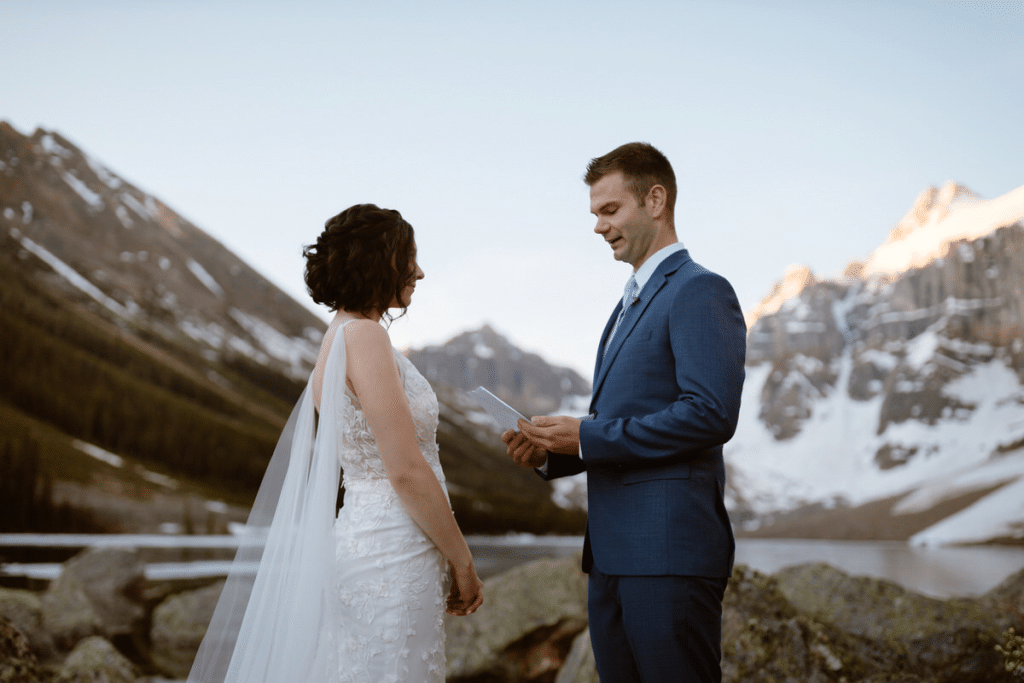
An elopement typically involves just the couple (sometimes with one or two witnesses), focusing on a private, often adventurous ceremony. An intimate wedding includes a small guest list – usually under 30 people – and retains traditional elements like vows, attire, and celebrations. The photography approach differs in scale, logistics, and emotional emphasis: elopement imagery leans into raw, landscape-driven storytelling, while intimate imagery captures both personal moments and group dynamics.