
Posted on 4 Comments

10 questions you must ask your wedding caterer

Good food is a very important factor in making your wedding memorable. However detailed and unique your wedding décor may be, or how beautiful you look on your wedding day, all this becomes insignificant if your wedding menu is not up to the mark.

Food lovers are aplenty, and there will be more than just few at your wedding. So, you are responsible for providing hearty and interesting fare, that will appeal to them. Only then will they go home happy, and consider your wedding a total success.

The responsibility of serving delicious food and creating an interesting menu, lay with your wedding caterer. With a reliable and talented caterer on your side, it will be easy to satisfy your guests and even exceed their expectations, where food is concerned.

How do you find the right person to cater to your wedding? Find out for your self, by asking the following ten questions to potential candidates.

1.What are your service charges, and what does it include?

bill

Everything in a wedding is closely tied to the wedding budget. To choose a caterer, you have to first obtain quotes from caterers you wish to consider. This helps you to decide if the charges will be within your budget, and you can proceed with further discussions. Caterers do not just supply the food for the wedding, they also provide the associated services. These may or may not include setting up, serving the food, clean-up after service, cake slicing and serving etc.

The services included in the quotes may differ from one vendor to another. So, you should ask for what is included specifically, as this not only contributes to the experience, but will also impact your budget. If the caterer provides only the food, you have to spend extra on the staff for the service. When collecting quotes, ask for a detailed break-up of what is included in it. This will help you compare caterers and find the best option that works within your budget, after considering all the extras that you have to arrange separately.

2.How many staff will be present at the venue?

This is obviously tied to your guest count and type of food service. This cheat sheet on Wedding planning for dummies gives an apt representation for different types of services.  The ideal staff to guest ratio can vary from 1 or 2 waiters for up to 12 guests at a formal sit-down style meal to 1 for 25 guests at a buffet meal service. However, not all vendors use the same server-to-guest ratio.

It is important to obtain this detail, as this will affect the quality of service at your wedding. You should also consider details like what other jobs the waiters will simultaneously be handling, to determine if the count works for you. Whether the staff will be refilling glasses at the tables itself, or whether guests will be collecting their beverages from a station, can alter the required number count. Take the numbers and your wedding menu style into consideration, before deciding whether a caterer’s staff count will work for you. If there is more self-service happening at the wedding, you can afford to have fewer waiters.

3.How do you obtain your ingredients?
vegetables-815777_1920

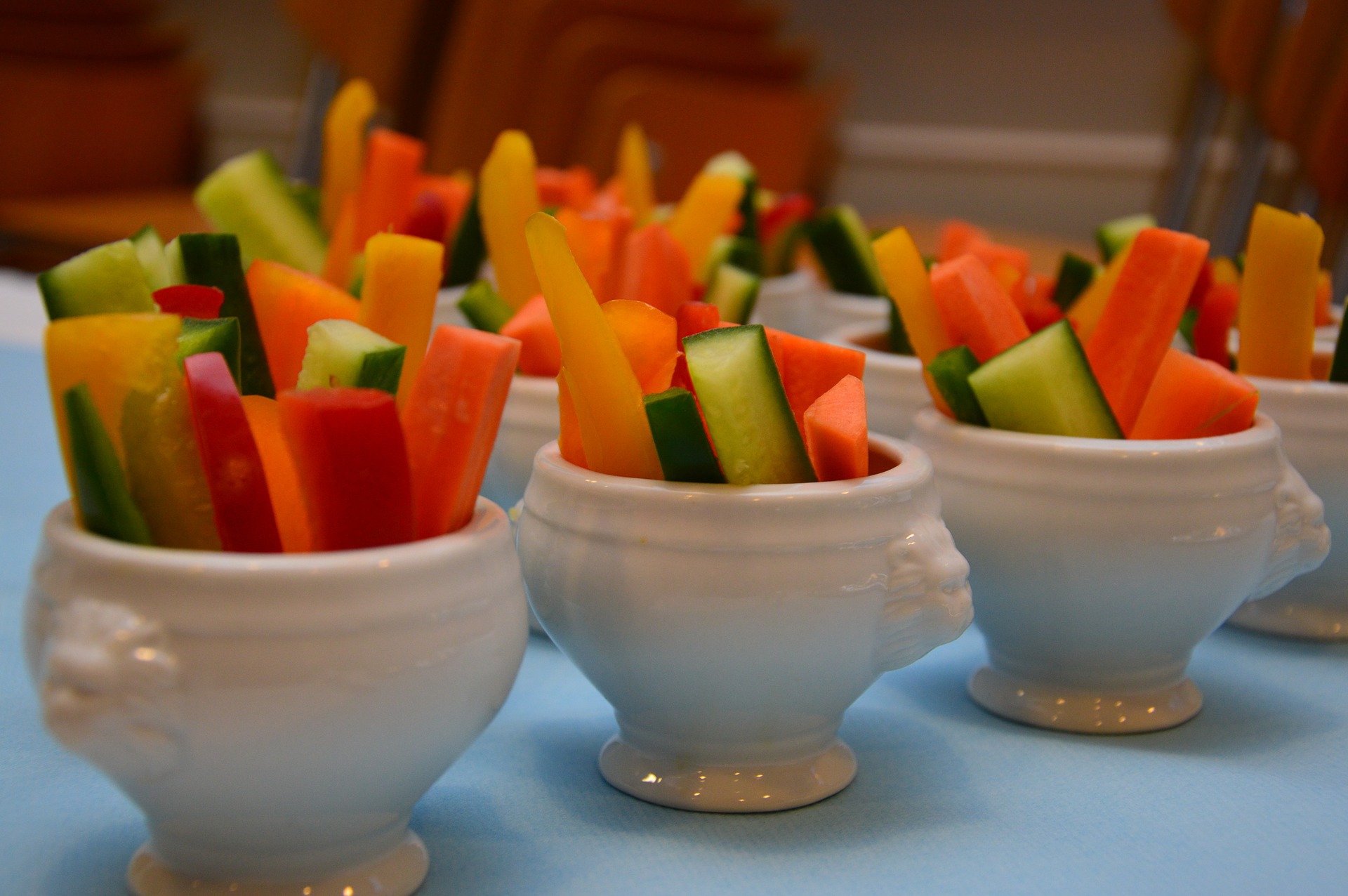
Local and seasonal ingredients are always cheaper. If you are looking for some help with your budget, ask your caterer how they source ingredients. While comparing rates, you should take this factor into account. When you have to pay more for quality ingredients, it is likely that the food will also taste better. So, it is basically a compromise you have to make between the price and quality. If you consider it important to serve organic or reliably sourced food, you will have to pay more for caterers who can handle this requirement.

4.Will there be any extra charges that you will have to bear, apart from what is quoted?

There are factors to consider, such as the rental charges of the cutlery, glassware and tableware that will be used at your wedding. Do these come with the venue, does your caterer provide it along with the food service, or will you have to arrange for this on your own? Clarify this upfront, so there is no confusion after you place your order. Some caterers will add the rental charges to their total quote, while others will assume you will take care of this part. So, make sure you know what you are paying for.

Apart from this, you should also check whether the final bill will include any additional or overhead charges like transportation or clearing up charges. Or, is what is mentioned on the bill, the final price you have to pay?

5.How will the food be prepared prior to service?
chef-939437_1920

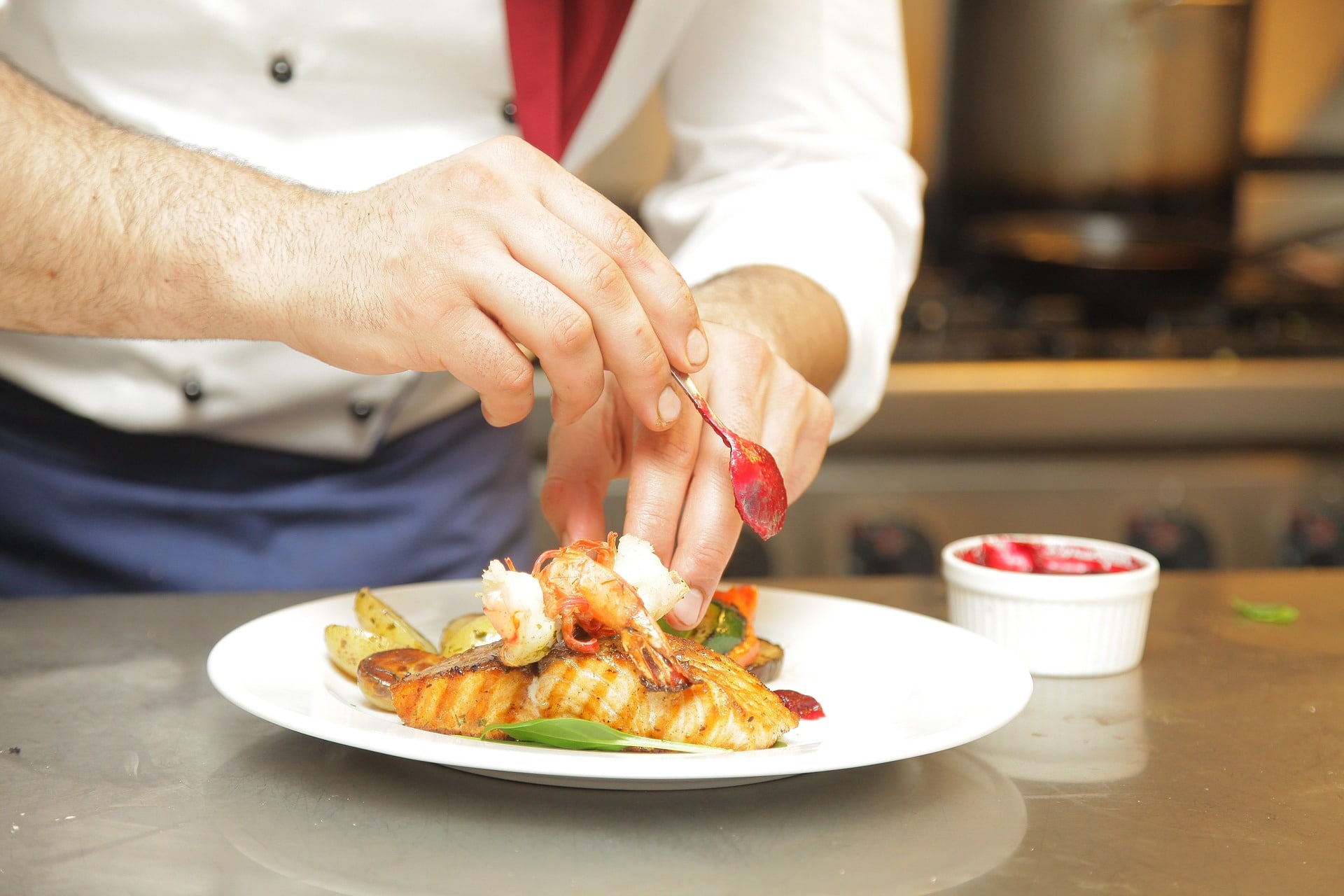
You should be concerned about whether the food will be ready-to-serve when it arrives, or whether the caterer will be doing the finishing touches on-site? The right option depends on the menu you choose. Some items have to be prepared right before service, as this is the only way they will taste good and look appetizing. Crisp and fried food are examples.

On the other hand, you can afford to have other items prepared early and simply transferred to the serving dishes at the time of service. Cold salads and dips fall into this category. It is likely that you will have at least one or more dishes that require assembling or finishing, just prior to service. Ask your caterer how this will be handled. If the lower quote is associated with food that isn’t served in the best way it should be, you should either replace the dish with another option, or be prepared to pay more for a caterer who will do it on-site.

6.Have you worked in a similar venue before?

The venue where your wedding is held, has a huge role in determining the appropriate type of service. If your caterer has already hosted a service at the same venue, consider yourself in luck. Otherwise, you should identify whether the vendor is capable of arranging a good service in the given conditions.

If you have shortlisted vendors you to choose from, you can take them to the site and ask them about how they intend to work with it. An experienced caterer will immediately recognize if the type of meal that you suggest—plated or buffet—will be practical in a certain venue. They will also offer suggestions on how the service can be streamlined to progress smoothly. This is usually based on their previous experience in catering to weddings of similar scale and in similar venues, if not the same one. This brings us to the next important point; the experience of each vendor you consider for the job.

7.How experienced are you at handling weddings on a similar scale?
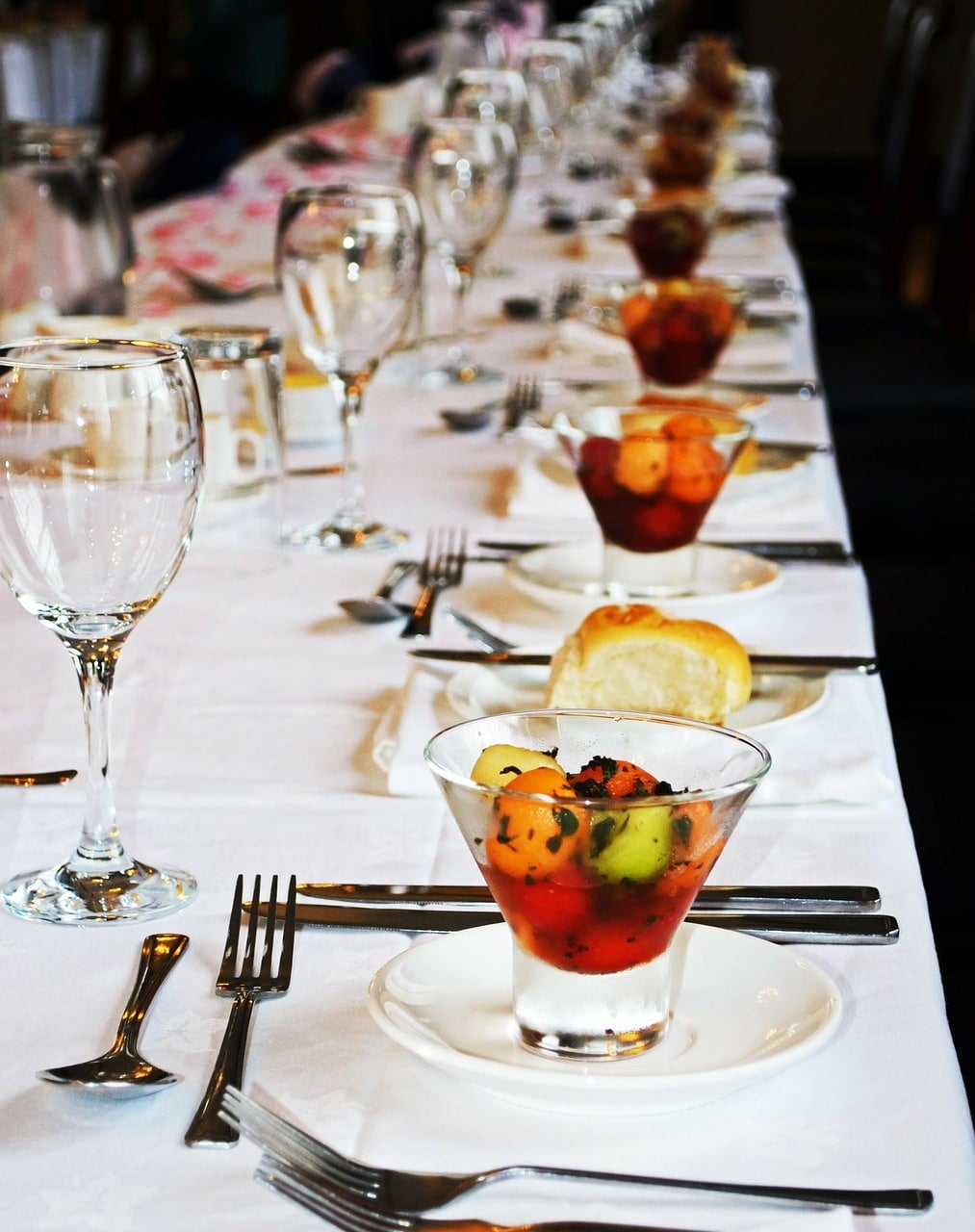
wedding food

Weddings are usually huge events, and very different from regular restaurant services that most caterers are used to. Experience in handling weddings is a definite advantage. However, it isn’t necessary that the most experienced caterer will be the best for you. This depends on whether their experience includes weddings of a similar nature as yours. If your experienced caterer has only done different styles, or entirely different menus, the less experienced candidate may be a better choice.

The scale of the wedding is also a concern. If your wedding caterer has always done smaller weddings, make sure he has the equipment and staff to cater to your wedding before you confirm your booking. Ask for the additional adjustments they will make to accommodate your wedding needs. Are you convinced they will be able to pull it off? Or do you foresee a disaster? Take a call accordingly.

8.What suggestions do you have for my wedding?

Rather than telling your caterer everything he has to do, you can welcome his suggestions too. As experienced professionals, who have tended to several weddings, they will have ideas you may never have considered. Run your caterer through your wedding vision, the theme and what factors you want focus on. Then ask him for his suggestions. Similarly, gather feedback for your suggestions.

At times, a caterer may not be enthusiastic about a certain idea you suggested. If this is the case, ask him for his reasons. If he thinks it is impractical due to the logistics involved or unavailability of ingredients, you may benefit with following his inputs than forcing him to agree to do it. Your vendor may also have suggestions to make certain dishes more interesting, or suggest substitutes that may better match the meal style. Take these into consideration. When comparing vendors, look at how enthusiastic the different candidates are about your wedding. It is always better to go with someone who is more excited about cooking for you, than someone who is totally bored with your ideas.

9.How many weddings will you be handling simultaneously?

While it is not reasonable to expect your caterer to entirely dedicate his services to your wedding alone, you should be wary of vendors who take on more orders than they can handle. This will affect the quality of service at your wedding. It is even more important to know how many more weddings they will be handling on the same day as yours. If it is only yours, you can expect a more personal service. The preparation for the dishes will also be better, as they wouldn’t be shuffling orders. Communication will be better and there is smaller chance for confusion.

You should also confirm who will be in-charge of your wedding. It is inconvenient if the person who deals with your order changes mid-way, or if new orders will cause the planning associated with your order to be changed. If you attended a tasting session that you loved, you can also clarify whether the same team will be preparing the dishes for the actual wedding. This brings us to the importance of having a tasting session prior to the wedding, so you can see what you will actually get on the day and how you can accommodate any changes that may be necessary.

10.Is the dish at the tasting session final?

Every couple should have a tasting session before they finalize a caterer.  This is because you cannot guarantee the quality of service, based on what you see on paper. You have to actually try it out for yourself, to know. So, ask for a tasting session with your shortlisted caterer, before you finalize your order. When attending it, look at the quality of food that is served. Are the vegetables fresh and bright? Is the food served at the right temperature? If it is a buffet, check to see if the food is being replenished in a timely fashion.

It may be a good idea to include a third person with you, when you go tasting. This should be someone who can give you an unbiased and frank opinion on whether they think the food is good or not. You can assess the caterer’s attention to detail and reliability, based on the service you are offered. If you like what you taste, but would like certain modifications, check with the caterer on whether they can customize the dish as per your taste. A good caterer wouldn’t hesitate to take on your suggestions, unless it means overhauling the entire dish.

With these tips, you have all the information you need to successfully choose your wedding caterer. You will find plenty of helpful tips on deciding your wedding menu in our previous posts here and here. Apart from the food, you should also pay attention to the beverages served on the day, and the china that is used for the service. It is only when all these come together in tandem, that your overall meal planning will be a be a total success. Continue visiting us at Best for Bride, your one-stop bridal destination, for more valuable tips, advice and inputs on planning the perfect wedding.
Posted on 5 Comments

Guest Glamour Guide: Choosing the Perfect Dress for Every Wedding Style and Setting!

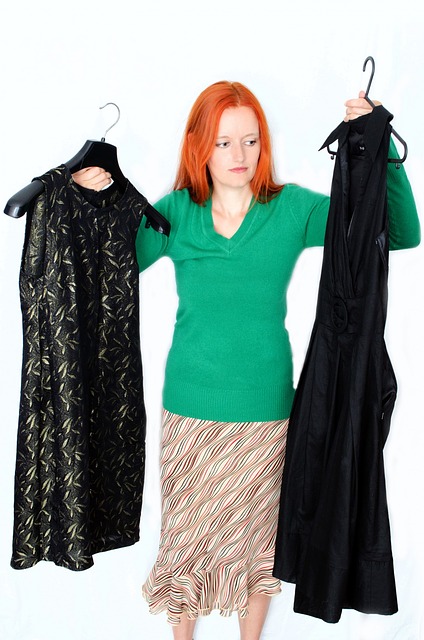
No guest likes to look out-of-place in a wedding setting. Hence, it is necessary that your outfit is suitable for the wedding style, is stylish and flatters you when you have to attend a wedding. Unfortunately, there is no standard dress code that works for every type of wedding. Changing your choice according to the wedding style, location and time of year is often necessary. This can make your dress selection confusing, and at times, even difficult.

However, you can quickly ascertain whether a certain style of dressing is appropriate for a wedding or not with some attention to details. Use the cues in the wedding invitation to find out more about the wedding. Also consider the weather at the time as a guide to choose your outfit for the occasion.

Let us quickly look at what the phrases on the invitation imply, in terms of what is appropriate to wear to a wedding.

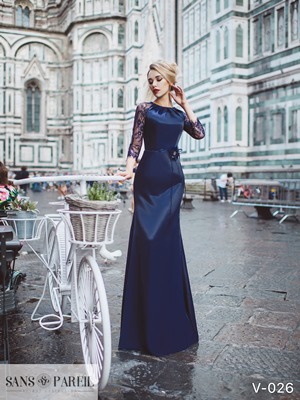
Black Tie: This term denotes a formal event. Black-tie weddings are usually held in the evening. Ideal dress choices would be formal gowns, dressy suits or cocktail length dresses.

White Tie: Usually an extravagant affair with a formal vibe. A full-length dress is a must and your outfit should be stylish and chic.

Semi-formal: This can be anywhere between formal and casual. It is better to choose formal dresses just in case the wedding is more formal than casual.

Dressy casual: Another term that is often used to replace semi-formal. The same dress choices as above are suitable for such an event.

Casual: Simple affair with an informal vibe. Outdoor weddings and the like fit this style. Short and smart dress styles are ideal. You have plenty of options. Nonetheless, jeans, flip flops, T-shirts and casual attire elements are never a good choice, even if it is a casual wedding.

We now have a clear idea of what style of dressing to choose based on the invitation. Here are some do’s and don’ts that apply to all weddings, irrespective of this dress code. Keep these in mind to ensure that you will not be breaking any etiquette norms.

  • Avoid wearing white or black to weddings, unless it is absolutely necessary. Let the bride shine in her white gown, without your dress being a distraction. Although black isn’t often associated with happy events, it is fine to wear it to a wedding if you have limited options otherwise.
  • Choose your attire so it is suitable for the venue. This is very important especially if the wedding is held in a house of worship. For church weddings, avoid strapless and revealing styles. Cover up with an accessory like a stole or jacket for the ceremony.
  • When in doubt, play it safe by dressing in formal attire than sporting an informal dress choice.
  • Avoid any outfit that is vulgar, revealing or overly flashy. Also avoid cheap, artificial jewelry and accessories even if they are fashionable.
  • Never wear distressed clothing to a wedding. Although it may be trendy in mainstream fashion, torn and ripped clothing is never suitable for a wedding.

Let us now explore the different outfit options that are ideal for different wedding styles

Formal wedding 

If the event mentions black-tie or white tie, the wedding is a formal one.

Likely Venues: Formal weddings are usually held in banquet halls, country clubs and similar locations. It can also be held at historical and heritage sites like castles or museums. The wedding setting will be lavish. The wedding ceremony may be held at a house of worship, like a church.

Dress ideas: Aim to dress elegantly. Choose simple, but smart silhouettes in bold or dark colors for best effect. Formal floors-length gowns are appropriate. You can also choose cocktail or tea length dresses. Always try to choose dresses that flatter your body type. Dresses with crisp, clean lines look smart and flatter most body types. Pay attention to the neckline and sleeves to find one that enhances your best assets. All sleeve lengths are suitable for formal weddings. So, make a suitable choice based on the time of year. For contemporary wedding styles, modern dress styles with a color block feature or trendy prints are good.

Accessories, makeup and style: Statement accessories will amp up your style. Pair your outfit with metallic colors like gold, silver or gemstone jewelry. While wearing accessories, make sure that you balance your look with just the right number of pieces. Avoid wearing one of each piece as this can clutter up your overall look. Choose one or two statement pieces that complement your dress style. If your dress is relatively simple, add a belt or scarf. For more ideas on how to accessorize for a formal look, visit this article on the Leaf.  Dress up in red-carpet style with elaborate hairdos and bright shades of makeup that flatter your complexion and face shape for a dressy look.

Casual Wedding type

Although almost any outfit is deemed fit for a casual wedding, it is best to plan your dress based on the actual location where it is held. Let us look at the popular choices and what goes for each of them.

Venue: Beach

Dress Ideas: Dress in a bright summer frock or tea-length dress that looks like it belongs in the setting. Don’t hesitate to experiment with bold tropical prints and fluttering dress styles. Choose light, breathable fabrics like chiffon and cotton for comfort. It isn’t advisable to wear silk or satin in this environment, since they show sweat and can ruin your look. Avoid floor-length dresses that will pick up sand and be difficult to walk in. Off-the-shoulder necklines, strapless dresses and spaghetti-strap tops are all good. Separates and mix and match skirts and tops are also good choices for beach weddings.

Accessories, hair and makeup: Choose simple accessories that work well with the outfit you choose. Avoid metallic and flashy jewelry. Opt for flats or wedges for footwear that is practical in the sand. Avoid flip-flops and sneakers since they look too casual. Embellished sandals look good and work great in the sandy beach. Keep the makeup simple and opt for neutral shades for a natural look. Avoid heavy eye makeup as it may spread in the humid environment. Pick a hairstyle that keeps hair off your face. When at the beach, your hair can fly a lot and obscure your face in photos. So, pick a bun or hairdo that keeps the hair tucked away and this won’t be a problem.

Venue: Farm or garden

Dress Ideas: Being outdoor venues, consider comfort when choosing your outfit. As with a beach venue, pick breathable fabrics like cotton or chiffon. The dress hemline shouldn’t extend beyond floor length. Shorter hemlines will make navigation on the uneven terrain easy. Match your outfit to the setting with the choice of colors, accessories and dressing style. Both printed and plain dress styles are suitable. Dresses with floral prints or in lace look good in farm and garden venues. For outdoor venues, sleeveless and strapless necklines are comfortable. You can also pair the dress with a removable accessory like a jacket or stole, for when the evening gets chilly.

Accessories, hair and makeup: Keep your look simple and uncluttered. Avoid accessories that are too heavy. Instead choose small pieces that complement your dress style and colors. A casual wedding is the right occasion to wear bright and big accessories. Flats or kitten heels are suitable footwear. If you wish to truly stand out, consider pairing your dress with boots. Choose waterproof makeup and aim for a simple, natural look that will look good in the natural ambiance of the setting. Simple, fun hairstyles and hair accessories like flowers will add a beautiful finishing touch to your overall look.

Venue: Indoor venue like loft or restaurant

Dress Ideas: Choosing a fancy dress is a good idea if you are unsure of the venue, or if it is more likely to be held indoors. Wear a smart dress or separates that you would wear to a restaurant or to a dinner with your colleagues. Short, flirty dresses, cocktail dresses or tea-length gowns are also fine, as don’t look formal. Keep the look interesting by choosing colors that flatter your complexion.

Accessories, hair and makeup: Aim to look as though you have put in an effort to look good. For an indoor venue and an event in the evening, pick makeup colors that will look bright in the pictures. You may have a washed-out look if you use nude or natural makeup. Choose colors that not only complement your complexion, but also go well with your dress colors. Balance the details in your dress with the suitable choice of accessories. If your dress has intricate and statement details, avoid too many accessories that clash with it. Alternately, wear bold, bright jewelry if your dress is relatively simple. Pick a hairstyle that will hold throughout the length of the event.

Venue: Country-style or vintage

Dress Ideas: The relaxed ambiance and natural setting of a country-style wedding or a vintage wedding is best complemented by relaxed silhouettes. Simple, but pretty dress details look good too. A-line dresses, sheath silhouettes and fit and flare gowns look and feel comfortable. Lace is a classic favorite for weddings at such venues. You can choose between all-over lace dresses or dresses with lace trims on the neckline, sleeves or hemline. Go for embroidery, sequins or retro-elements and style details that match the setting. Also mix and match tops and skirts for a unique effect. There are plenty of vintage-inspired wedding dress styles in the market today. Find one that flatters your body type and looks perfect in such a setting, if you choose. For ideas on what would work, take a look at this article on the Bustle. 

Accessories, hair and makeup: Simple hairstyles like buns, ponytails or braided hairstyles complement the dress types mentioned above. Keep the accessories simple. A string of pearls or a pendant looks good. Pair it with a bracelet or dangling earrings. Studs are also appropriate. For a vintage wedding, consider silver or gold colored accessories. Oversize bracelets or watches, elegant necklaces and earrings are good choices. For vintage theme weddings, try to wear a hairstyle with braids or use a hair accessory that is from that timeline. If the venue is indoors, pair your outfit with colorful footwear that complements your outfit choice.

Finally, let us take a look at three important rules to keep in mind when choosing your outfit. Remember that this applies to any wedding, and can also be extended to any other occasion that you have to dress up for.

1.Always choose the right fit: However expensive or beautiful a dress is, all is lost unless it fits you well. Dresses that flatter your figure and are altered to your exact measurements will help you look smart. So, always make sure that the dress you buy is the right size. Further, have it altered to fit you exactly. A good seamstress can alter a dress to your exact measurements in just one fitting session. Do this and you will look much better when you wear the dress.

2.Elegant and classy is always in: If you are unsure of what to wear to a wedding, always go for an elegant and classy choice. Elegant, simple dress silhouettes and details fit into almost any setting. Choose the color, fabric and design so it is suitable for the weather at the time, the venue and what flatters you.

3.Stick to your style and taste: Irrespective of the style of the wedding, always make sure that you pick a dress that reflects your personality and style. Make sure your dress choice matches your age and is an extension of your everyday style.

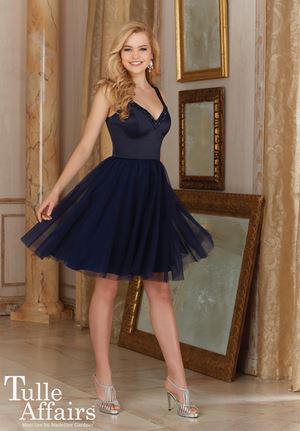
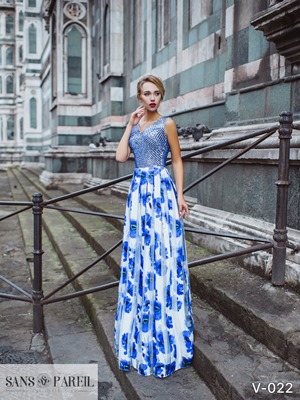
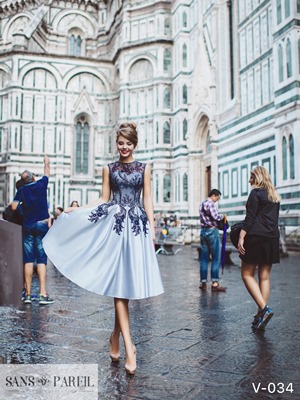
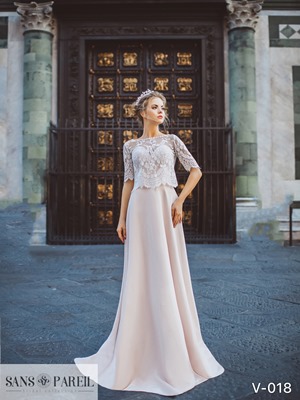
To take a closer look at all the dresses featured here and also to see more of our collection of evening dresses and dresses for special occasions, head over to the Best for Bride website by clicking here. This is your one-stop destination for everything related to wedding fashion.

Posted on 2 Comments

10 practical tips for a picture-perfect wedding

Most couples who get married these days are very choosy about who handles the photo shoot at their wedding. No surprises here, as wedding memories live on through the photographs and videos of the day! This is indeed a one-time occasion, and getting all the details right is essential to framing those memories perfectly.

Wedding photo mishaps are common, especially when the person behind the camera is an amateur. However, there is no guarantee that there will be no unpleasant surprises even when it is a professional yielding the camera. A lot of it is luck; the rest is poor planning.

While it isn’t possible to rule out every single mistake, however hard you may try, you can at least do your part to make sure your wedding is documented well. Here are ten handy tips that will help you have that picture-perfect wedding album, that you simply cannot take your eyes of.

1.Seek inspiration, but don’t let it restrict your natural style

bride

Haven’t we all been smitten by perfect wedding pictures, with the bride looking like a dream and the groom like Prince Charming. Certain poses and certain angles seem just perfect, that you may quickly decide that you must also try it.

It is a great idea to find inspiration from other weddings, but don’t try to make your wedding a copy of all that you see elsewhere. One thing you may have noticed in all these fantastic wedding photos, is that the pictures usually look great because the models look natural in it. Additionally, the photographer has the talent to capture the love, happiness and chemistry between the couple.

So, the poses and location are secondary. It is the couple who make the pictures so beautiful. Don’t confine yourself to the same photography pattern as a couple whose wedding you loved. Take cues from why certain pictures look great. Don’t copy, instead use this as the inspiration to plan your own pictures.

2.Relax and don’t fake a certain look for the camera

You should know your best angles and the most photogenic profile. Discuss this part with your photographer ahead of the wedding. He may even be able to give you valuable tips to get it right, so you can plan your photo shoot accordingly. Nevertheless, don’t try to limit yourself to a specific pose or look throughout your wedding photos. It will definitely become boring, and a fake smile or a rigid pose will be obvious to all those who look at your picture. Enjoy the natural flow of things on your wedding day, relax when the camera is on you and smile from your heart. Remember that happiness just can’t go wrong, and your photographs will turn out superb.

3.Silly poses? Think of how you will feel about it in ten years time

It is a trend these days for couples to fill their photo albums with silly and non-sense poses and actions. Well, it may be fun, but how many of them do you actually want in your album. We often find that some of the best wedding photos are usually ruined by an unnecessary silly gesture.

You should really think of whether you will be excited about all these funny poses in your album, when you look at it ten years later. Just think of it this way—what would your reaction be, if you were to find your mom and dad in similar poses in their wedding album?

Your wedding day is all about having fun and enjoying yourself. However, it is also an occasion that you will look back on, many times in the future. So, let it be captured on film mostly as an interesting, grown-up affair. After all, you are celebrating an evolving and growing relationship with your partner, and this should be done with all due seriousness.

4.Prepare for a long day in front of the camera, and don’t let frustration seep in

Your photography session will usually start early in the morning, right from when you begin getting dressed. It will then go on for the entire day, mostly till the time you set off on your honeymoon, or go home for the night. Being under the spotlight for such a long time can be pretty exhausting. And when you are expected to stay happy and put your best smile forth, it can tire you out even more.

However, this is all for a purpose. So, remember that looking happy in your wedding photos will allow you to remember the occasion more fondly than otherwise. Prepare yourself for a long day, and don’t feel frustrated about how long you have to smile and pose and stand with crowds to capture hundreds of pictures. This is simply how this works, so make your peace with it.

The most important people in your life have all come together to celebrate your big day, and that doesn’t happen everyday. You will later realize that spending all those hours posing and clicking pictures with them, was definitely worth all the effort and time.

5.Follow the photographer’s directions for when you should look at the camera and when you shouldn’t

beach wedding

Not all wedding photos will require to you to stare into the camera. When you must look at the camera, your photographer will ask you to. Unless you have been asked to, just do what you were doing naturally.

You will have to pose and smile in your group photos and portraits. At this time, don’t spoil the photo by looking away. The rest are usually candid shots, with everyone captured as they are. If you are unsure of how or where you should look, just ask to be certain. Or, you can always schedule an appointment with him, ahead of the wedding day and discuss how you want the pictures to be. This will allow him to plan his shots accordingly.

The aim is to have fun and trust your photographer to capture the actual essence of the day. Don’t make a big deal of how you should be standing or where you should be looking, when the photographer shines the flash on you. Just be yourself, and leave the rest to the professional handling the job.

6.Do plan your photo shoots well in advance

On your wedding day, you will have to take group photos, photos of the various events, those of just the two of you and candid pictures. While the events and candid shots will be up to the photographer’s discretion, the rest are usually planned shots. Since you will have to stand and pose and spend time to have these pictures taken, it is a good idea to plan and organize when these will be done. Plan this in advance, into your wedding day schedule, and it will be easier to arrange.

Also, it is a good idea to spread the photo shoots out throughout the day, rather than have it all in one go. This way, your guests will not be kept waiting and you will also look fresh in every lot of the posed shots. On that note, if you have your wedding indoors, plan your outdoor wedding day portraits when the lighting is most suited for it. So, if you wish to capture the sunset in your wedding album, make sure you free up your time for that activity alone, at the said time.

7.Don’t dictate how your photographer should work

hide and seek

Photographers are creative artists, who know what they are doing. You can always offer suggestions and tell them what you want to see in your photographs. Leave the rest of the work to the professional. They have more experience than you do, and know how to make what you want happen.

You should get a glimpse of their ability and talent when you check their portfolio, prior to signing them up. If you are happy with what you see there, trust them to capture your wedding in the best possible way.

Set up an appointment well ahead of the wedding day, when you can discuss your expectations with the photographer. Share notes and welcome suggestions from them. Run them through the wedding day plan and tell them where they should be and at what time. If you have very specific preferences for certain shots, it may be a good idea to demonstrate what you mean by showing them pictures similar to what you have in mind. Once this is done, leave them to plan their moves and shoot your wedding as they think best.

8.Don’t feel conscious of the camera

Just because the camera will be capturing many of your moves, don’t let it dictate how you act and behave. Be your normal self. Brides and grooms who are camera-conscious make either of two mistakes. The first is they become overly shy and hide from the camera. On the other hand, some of them believe in making the most of the attention and show off to the most. Overly exaggerated actions, fake laughter and very obvious posing can spoil the entire fun.

Photographs should be about capturing you in your natural element. So, avoid both the above mistakes. Just ignore the camera and do what you would be doing, in it’s absence. This way, you will have your wedding captured as it was meant to be.

9.Have a plan for group shots

flowergirls-571072_1920

In all the commotion of a wedding and the reception that follows it, it is easy to lose track of the people to be photographed. Since you will definitely want specific people in certain group photos, plan this early. Decide on the must-have group photos, and list those who are to be in it. Designate a bridesmaid or groomsman to bring all these people together during the photo session, so you do not have to run around searching for them at the time.

Ask all those who are to be included in specific groups to stay close, and your photos will be more easy to take. It is also a good idea to plan the shoot in a particular order. So, your family members and friends will know when they will be required to be present. If there are guests in a hurry, include their pictures earlier on. Similarly if there are children who are to be in the picture, it is a good idea to be flexible with taking their pictures. You can then capture them when they are in a good mood.

For pictures with your flower girls and ring bearer, have these taken earlier on, before the children have fun and wreck their original look for the day.

10.Inform your guests to stay out of your photographer’s way

Your guests will certainly want to take their own pictures and will be clicking away on their mobiles or tablets. Nevertheless, make it clear that you have a professional photographer calling the shots, and ask that nobody click the group pictures at the same time as he is. It is natural that people can become confused with where to look, when there are several cameras clicking at once. If people were aware of this, we wouldn’t see so many pictures with members of the group looking in different directions, in a wedding photo.

Do inform your guests that you will be sharing the pictures across, once they are ready. This will save them the trouble of focusing on taking pictures, instead of enjoying the wedding itself.

With a little organization and clear planning, it is easy and practical to have your wedding captured perfectly. Remember that if your wedding is a happy occasion, where you smile from the bottom of your hearts, there is no way the pictures will reflect anything else. Just like you enjoy and savor every moment of your wedding day, make sure you savor your photo sessions too. Entrust the task to a capable and talented photographer, and leave the rest of the work to him and his team.

At Best for Bride, we offer brides and grooms a range of wedding-related services. Our list also includes photographers who are specialized in different genres of wedding photography. Contact us today, to find out who you would love to work with for your wedding.

Posted on 4 Comments

Unveiling Elegance: Everything You’ve Ever Wanted to Know About Lace Wedding Dresses!

Lace and weddings are a match made in heaven. Hence, it is no wonder that this fabric is the mainstay of wedding fashion and continues to be popular. Lace has recently evolved from romantic, ethereal and wispy forms to crisp, laser-cut wedding gown details. Nevertheless, the charm of this delicate fabric never ceases to impress.

Today, the wedding dress market has plenty of options in lace wedding dresses. There are allover lace gowns as well as dresses trimmed with lace in select locations. The options are numerous with lace details in the bodice, neckline, yoke or sleeves. One of the reasons for this astounding variety is that there are many different types of lace. Also, there are numerous ways in which designers add it to a dress.

Join me today, as I discuss the different factors you should know if you are in the market for a lace wedding gown.

Characteristics of Lace

This decorative fabric may use any of many different types of fibers. Thus, laces are made from Nylon, polyester, wool, silk, cotton and even linen fibers. Better quality laces have small stitches and use fine thread.

The delicate nature of lace makes it susceptible to damage. So, this fragile fabric requires a lot of care. Although it doesn’t unravel, it can lose shape and tear if roughly handled. Traditionally lace was handmade. However, much of the lace available today is sewn by machines.For more details on the general properties of lace, visit the Fabrics International website.

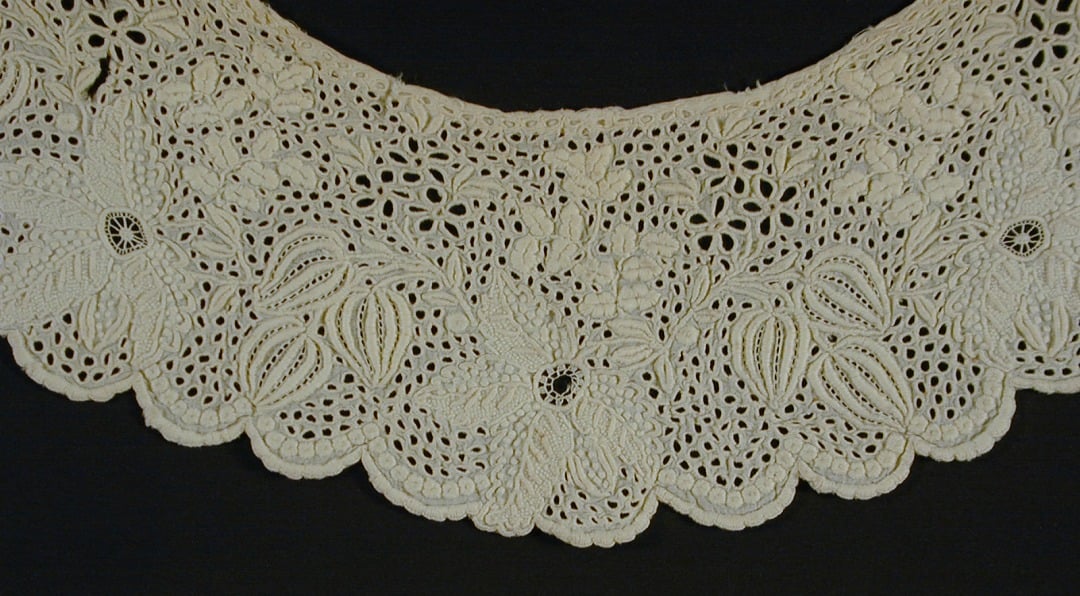
The different details on the lace determine whether it renders a modern or antique look to a dress. Antique lace features significant contrast between the dense and openwork sections. Meanwhile, modern lace has sharp details with similar texture throughout the surface. Antique lace is difficult to create, and hence more expensive.

Most of the lace used in wedding dresses is machine-made. This is usually because handmade lace involves a lot of time and labor. With so much effort involved, it is nearly impossible to make enough lace for an entire wedding dress. Nevertheless, handmade lace is usually seen in smaller sections of wedding dresses. It is used in trims for the neckline, sleeves, or hemline.

Lace by itself renders a whimsical, feminine and romantic look to a wedding gown. Lace also includes embellishments like rhinestones and crystal embroidery, so it is opulent and perfect for a bridal look.

If you look at wedding dresses, you will see more than just one type of lace. The variety of lace determines the overall impact of the gown. Most of the lace in wedding gowns is open-patterned. Seldom do we see wedding dresses that are entirely made from lace. Designers usually use the fabric as an overlay over other heavier fabrics to create a contrasting effect that highlights the intricate details on it.

Let us now look at the different varieties of lace commonly used in wedding dresses.

Types of lace commonly used in wedding dresses.

Bridal dresses with lace effects are very endearing. This fabric’s delicate and wispy nature makes it a great choice for the dreamy, romantic look that most brides seek. The beauty of lace gowns is that it is perfect for most wedding styles. While a short lace dress is ideal for an outdoor garden or rustic barn wedding, full-length sensual lace gowns suit traditional banquet venues. At the same time, lace-embellished dresses blend in with beach venues. Traditional gowns with lace trims are ideal for castles and similar heritage wedding sites.

Here are the different bridal lace varieties commonly used in wedding dresses.

Alencon Lace

Alencon lace is the queen of laces. It gets its name from Alencon in France, where it first originated. This lace resembles cotton in texture. The raised cording above the pattern characterizes this type of lace. Genuine Alencon lace is incredibly soft. This is in fact the defining factor of how authentic a sample is.

Alencon lace has floral motifs on a net background. Typical designs include Victorian floral details like cabbage roses, daisies, scrolls and medallions. It will usually have an eyelet or bearded edge. For more information on identifying Alencon lace, visit this article on Lady Violette. 

Chantilly Lace

Another type of lace that originated in France, Chantilly Lace, is very delicate. When compared with Alencon lace, this lace usually features larger flowers. There are many folds within the details. This gives the lace a rich, frothy effect. Vintage Chantilly lace is expensive and in high demand. Chantilly lace uses dense and light detailing through suitable half and whole stitches. This creates a shadowy effect. Original Chantilly lace was always black. The reinventions of this classic are white and are now used widely in wedding dresses.

Brocade Lace

This type of lace has rich fabric weaving and a raised pattern. Metallic gold and silver threads add to its grandeur. Brocade lace may also use coloured silk threads instead of traditional white. Brocade lace is usually manufactured using Shuttle loom weaving. Unlike Alencon and Chantilly laces, brocade lace is thicker and doesn’t possess its characteristic delicate effect.

Embroidered lace

As the name suggests, this lace type has motifs resembling embroidery on a base material. Hence, there is a pronounced three-dimensional effect. Appliques are strewn over the length of the fabric. Commonly used patterns include interconnected floral motifs that stretch over the entire length. The thickness of the base material varies between thin illusion netting and thicker material. For better effect, tulle is usually placed below the embroidered lace layer.

Eyelet lace

Eyelet lace is a unique style with cut-outs in the fabric and trimmed with thread. The sizes and shapes of the holes may vary. It is typically created in cotton, satin or silk. Eyelet lace is popular for Boho weddings, as it has a modern, flirty look. Unlike other types of lace, eyelet lace has a seamless effect. It stands out on its own without a base layer. However, the intricate cut-out designs are prominent when layered over a contrasting fabric. It is not a traditional choice. Hence, it is better suited to modern, casual wedding styles. Although it works for any wedding style, eyelet lace wedding dresses look best at beach and garden weddings.

Guipure or Venetian Lace

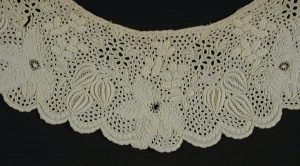
We can quickly identify Guipure or Venetian lace by looking at the links between different motifs. In the case of Alencon and Chantilly lace, the motifs connect through thin mesh or net-like structures. This has a wispy effect. In Venetian lace, dense plaits or thick strands replace this mesh structure. This forms a clear outline for the lace motif. Guipure lace is one of the oldest types of bridal lace. It is still favoured by many designers for its distinct quality.

Now that we know about the different types of wedding dress lace, let us look at how lace transforms a dress based on where it appears. I have also included suitable examples from our collection to illustrate each.

Allover lace wedding dress

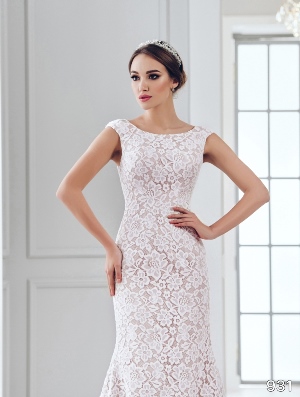
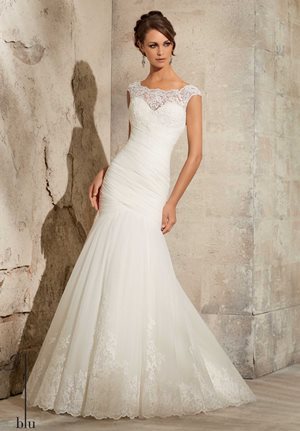
Allover lace adorns this cap-sleeve fit and flare gown from the Sans Pareil collection. Wispy floral motifs span the entire length of the gown, creating uniform texture throughout the silhouette. There are no other embellishments on the dress. Despite this, the gown is beautiful in its unique way. Brides can accessorize with many options to achieve the intended look. The floral motifs create a vintage effect, and the dress suits vintage and traditional wedding styles.

Lace trims the tiers and hemline

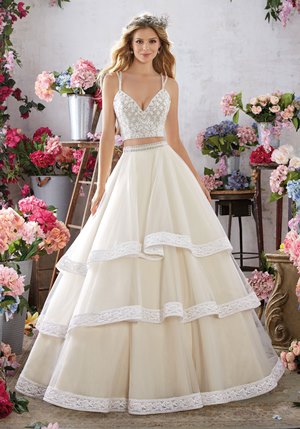
In this vintage wedding gown from the Mori Lee collection, the tiers in the skirt have lace trims. The embroidered lace appliques on the tiers contrast beautifully against the pale ivory background. The dress has a feminine, youthful vibe, and the lace trim’s very presence enhances the gown’s glamour.

Lace bodice

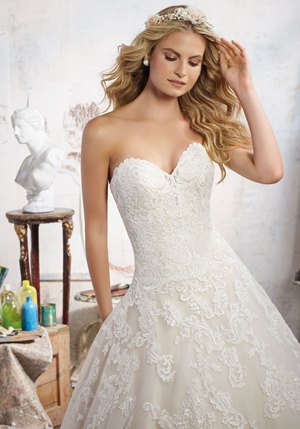
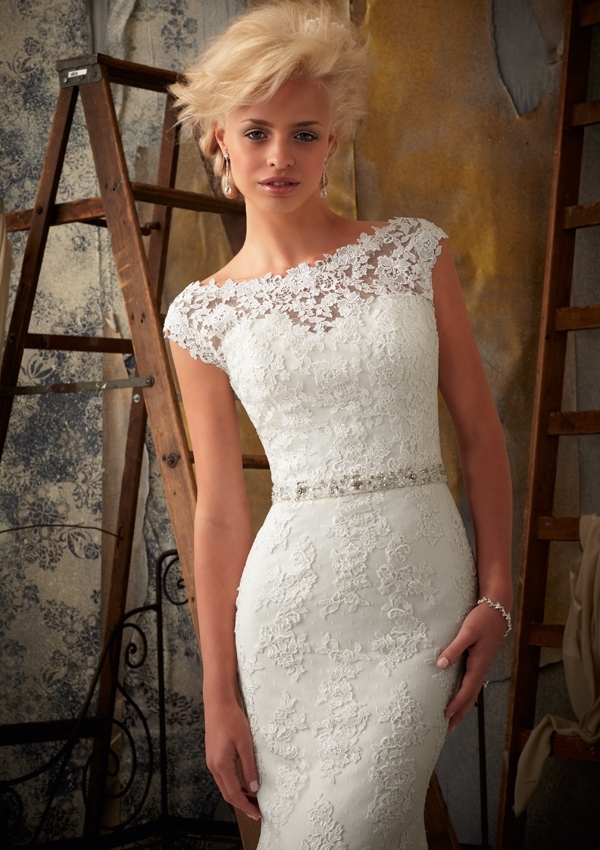
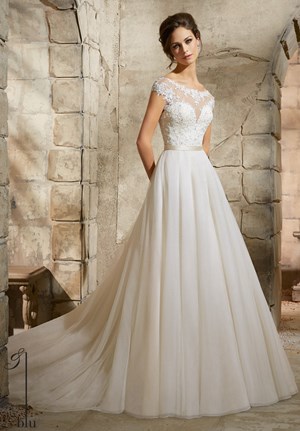
A wedding dress looks beautiful when the bodice has lace embellishments. This effect contrasts beautifully against a smooth skirt. Alternately, the lace bodice also works well with layered or satin skirts. This mix of textures in the bodice and skirt creates a unique effect. Here is a gown from the Mori Lee collection that achieves the desired effect. The dress has a simple A-line silhouette, but the lace motifs in the bodice contrast beautifully with the soft pleats in the skirt.

Lace yoke and sleeves

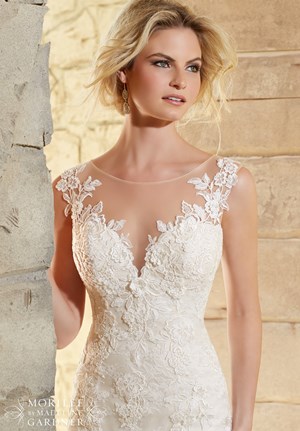
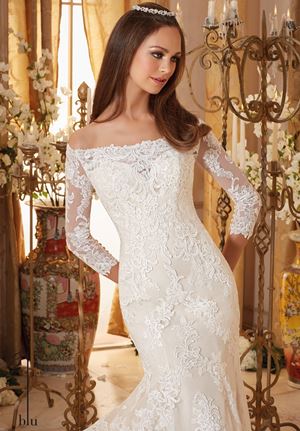
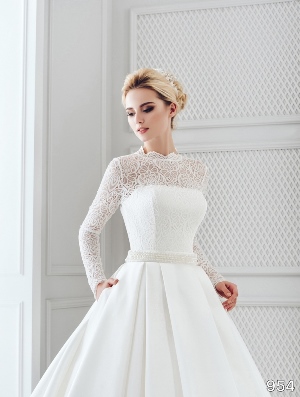
Chantilly lace creates a mesmerizing effect for this A-line wedding gown from the Sans Pareil collection. Lace details adorn the yoke and full sleeves. Elaborate swirls spread over the entire misty collar. They extend into illusion sleeves for a slimming effect. This is in direct contrast with the silky satin skirt and textured waistband. Additionally, the slight collar has a scalloped edge with intricate detailing, ensuring that every part of the dress is a work of art.

Scalloped lace hemline

Alencon lace sweeps over the hemline of this wispy Mori Lee Wedding dress. The light, airy fabric forms a beautiful base for the white lace appliques. A scalloped hemline completes the length of this gown in full style. The delicate floral clusters also extend to the rear and into the train, creating a romantic feel.

Lace back detail

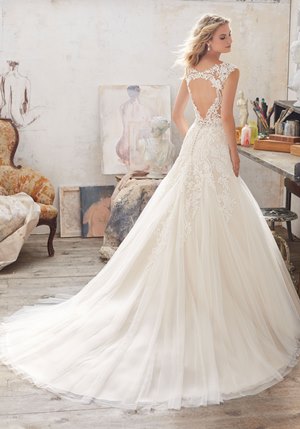
Lace appliques frame the cut-out back of this enchanting Mori Lee gown. The re-embroidered appliques appear on a barely-there sheer base, which creates a mesmerizing effect. Scalloped floral edges frame the cut-out. Lace appliques further extend into the skirt and thin towards the pleated layers. The light breezy sheer layer stands out against the off-white layers below it in the fully gathered skirt. Although the lace back features simple details, it is the statement feature of this delightful bridal gown.

Embellished lace details

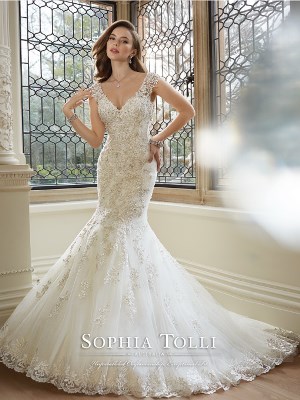
We spoke earlier about how embellishments on lace add luxury and elegance to a wedding gown. Lace appliques in this Sophia Tolli gown have beautiful crystal and bead details. This adds an opulent touch to the gown. While the golden and silver hues add shimmer and shine, they also create a gently textured finish that accentuates the bridal effect of this gown.

Irrespective of whether a dress has sparse lace details or appears throughout the entire length of a wedding gown, this classic element is bridal in every way. The charm of this bridal element cannot be achieved by any other fabric, and hence it will continue as a bridal staple in years to come.

Apart from wedding dresses, lace is also an essential element in veils used by brides. The wispy nature of this fabric and its fluttering feel is just right to complete the bridal trousseau. Furthermore, lace is also typical in wedding garters, as trims for the bridal bouquet and neckpieces. Finally, many brides make handkerchiefs and bouquet embellishments with lace from heirloom wedding gowns is often made into handkerchiefs and bouquets by brides, as their something old.

Best for Bride has a fantastic collection of lace wedding gowns. Browse through all our designer collections and you are sure to find a wide range of gowns that suit your vision. In addition to this, you can also find enchanting lace dresses in our bridesmaids collection and dresses for special occasions. Visit our dress gallery today to explore all the different options available to include this heirloom-quality style element in your big day.