
A well made piece of jewelry can outlast the trend it was bought during, the wedding it was worn to, and often the person who first wore it. Pieces built from solid precious metals and certified stones consistently hold more of their value than mass produced fashion jewelry, which loses most of its worth the moment it leaves the store.
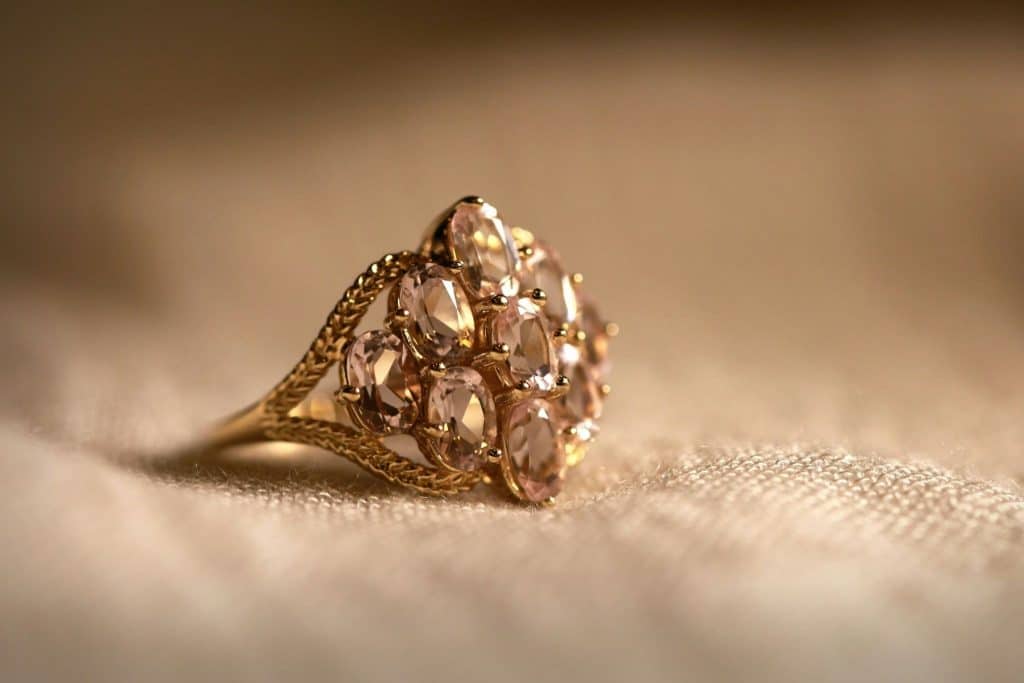
For a bride building her forever collection, or choosing pieces she plans to hand down one day, knowing what separates true investment jewelry from a pretty imitation matters. This guide breaks down exactly what to check before you buy, from the metal stamp to the workshop behind the piece.
Key Takeaways
- Metal purity, shown through hallmarks like 18K or 950, determines both durability and resale value.
- Certified gemstones from labs such as GIA carry documentation that protects a piece’s worth for decades.
- Handcrafted pieces from small, skilled workshops tend to outlast mass produced designs.
- Classic silhouettes age better than trend driven pieces, both in style and in value.
- Provenance and paperwork matter as much as the jewelry itself when it comes time to insure, sell, or pass a piece down.
Table of Contents
Why Timeless Jewelry Deserves a Place in Every Bridal Collection
Most brides already think carefully about one significant purchase: the engagement ring. That same level of care rarely extends to the necklaces, earrings, and bracelets worn on the wedding day itself, even though those pieces often get worn for decades afterward.
The jewelry chosen for a wedding tends to appear in every photograph and gets worn again at anniversaries, christenings, and other family milestones. Choosing wedding jewelry that complements your dress is a useful starting point, but pairing well with a gown is only half the decision. The other half is whether the piece is actually built to last.
Craftsmanship Comes First, Before the Sparkle
Two rings can look nearly identical in a photograph and still be worlds apart in quality. The difference usually comes down to who made the piece, and how much of the process happened by hand versus in a factory batch of thousands.
Small ateliers that carry a project from initial sketch through wax carving, casting, stone setting, and final polish tend to produce tighter tolerances and fewer weak points than jewelry assembled from outsourced parts. LITO fine jewelry, handcrafted in an atelier in Athens where each collection is assigned its own master craftsman for quality control, is a good example of what that kind of oversight looks like in practice.
When you are shopping, ask where a piece was made and how much of the work was done in house. A jeweler who can answer that question in detail is usually one worth trusting with a larger purchase.
Start With the Metal: Purity, Karats, and Hallmarks
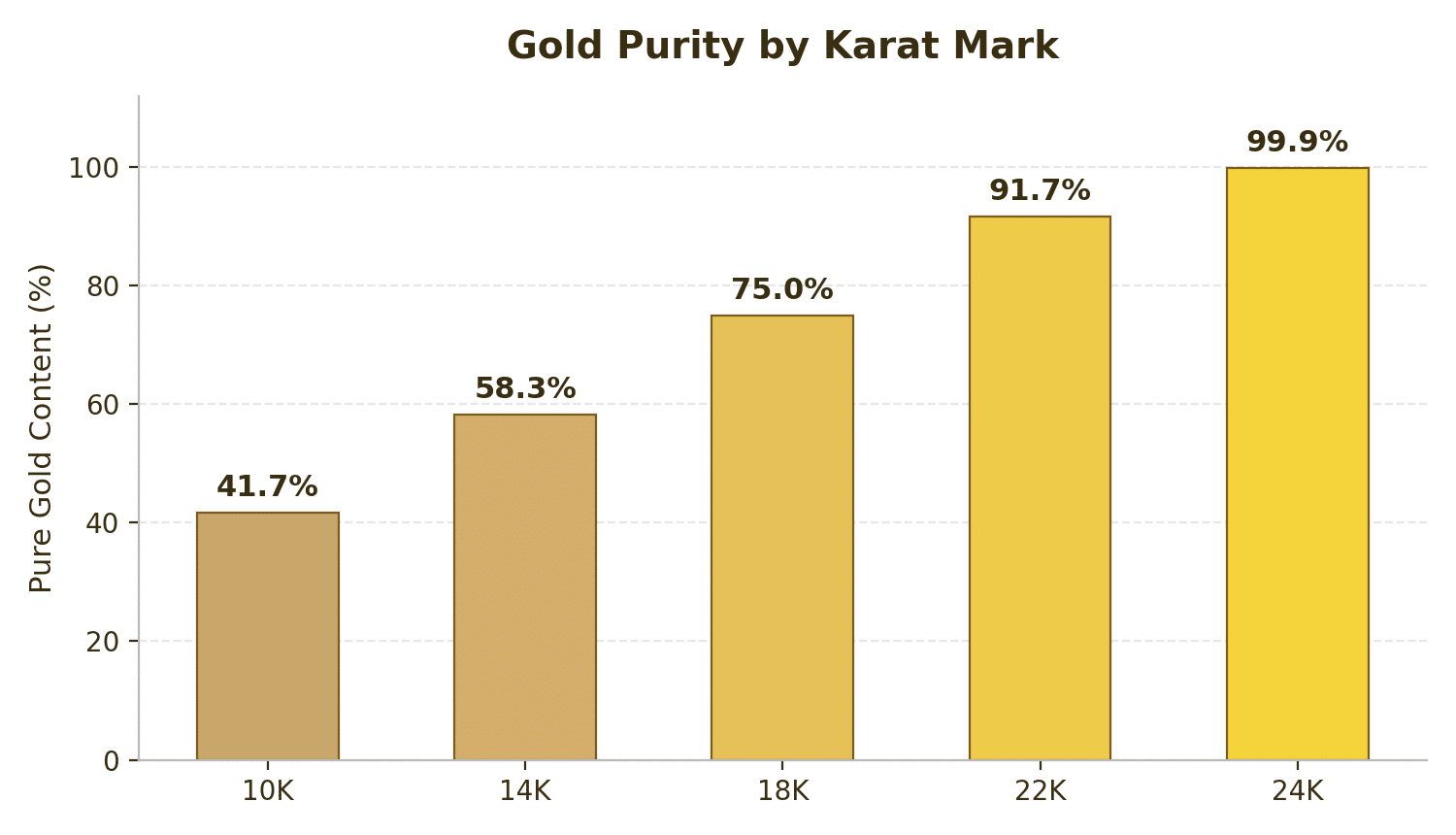
Pure gold, or 24 karat, is soft enough to bend out of shape with everyday wear, so it is almost always mixed with other metals for jewelry. The karat mark tells you exactly how much of that mix is actual gold.
An FTC guide to buying gold, silver, and platinum jewelry explains that a piece marked 14K must contain at least 14 of 24 parts pure gold, and that any karat stamp should sit next to the maker’s registered trademark. If you see a karat mark with no trademark beside it, that is a reason to walk away.
Here is how the most common purity marks break down:
| Karat Mark | Pure Gold Content | Best For |
| 10K | 41.7% | Everyday pieces, high durability |
| 14K | 58.3% | Rings and bracelets worn daily |
| 18K | 75.0% | Fine jewelry, richer color |
| 22K | 91.7% | Traditional and ceremonial pieces |
| 24K | 99.9% | Investment bars, rarely worn |
Platinum works differently. Most fine platinum jewelry is stamped 950, meaning it is 95 percent pure platinum, which is why it holds gemstones so securely and resists tarnish better than most gold alloys.
Gemstone Quality and Certification
A large stone is not automatically a valuable one. What actually determines a gemstone’s worth, especially for diamonds, comes down to four factors that any reputable jeweler should be able to explain clearly.
The 4Cs of diamond quality, color, clarity, cut, and carat weight, were developed decades ago as a universal grading language, and they remain the standard that certification labs like GIA use today. A stone with paperwork from an independent lab is worth more, and easier to insure, than one sold on the seller’s word alone.
Watch this short video for a beginner friendly walkthrough of what to check before buying your first piece of fine jewelry.
[Video: “Beginner’s Guide to Fine Jewelry” — https://www.youtube.com/watch?v=rWHDfzt_lhk. Covers what separates fine jewelry from costume pieces and how to start a collection.]
Design Choices That Outlast Trends
The most investable pieces tend to be the ones that never look dated. Solitaire rings, simple hoop earrings, and thin gold chains have stayed in circulation for generations because their shapes do not depend on a particular era to look right.
That does not mean every timeless piece has to be plain. A single accent diamond can transform a classic ring without pulling it out of the traditional silhouette that keeps it wearable decades from now. Small, considered details tend to age far better than an entire design built around a passing trend.
More couples are also designing their own engagement rings for this exact reason. A custom piece built around a classic frame gives you something personal without sacrificing the resale value that comes from a timeless shape.
Provenance, Documentation, and Resale Value
Paperwork rarely feels exciting at the moment of purchase, but it is often what determines whether a piece can be insured, authenticated, or sold for a fair price years later.
Keep the original receipt, any gemstone certification, and appraisal documents together in one place. This becomes especially important for the full set of pieces worn on a wedding day, since the definitive guide to wedding accessories often involves several purchases at once, each of which should be documented on its own.

Brand reputation and country of manufacture also affect resale value. A piece from a known workshop with a traceable history will almost always be easier to sell or pass down than an unmarked item bought without any supporting documentation.
Caring for Jewelry So the Investment Holds
Even the best crafted piece loses value if it is neglected. Store rings, necklaces, and bracelets separately so they do not scratch each other, and remove jewelry before swimming, exercising, or applying lotion and perfume.
Have pieces professionally cleaned and inspected every year or two, since a loose prong caught early is a simple repair, while one caught late can mean a lost stone. Many brides treat selecting jewelry that becomes part of the wedding day story as a one time decision, but ongoing care is really what keeps that story intact for the next generation.
Frequently Asked Questions
Is fine jewelry actually a good investment?
Fine jewelry made from solid precious metals and certified gemstones tends to hold or grow its value over time, especially from established makers. It should be seen as a long term, low liquidity asset rather than a quick flip.
What is the difference between fine jewelry and fashion jewelry?
Fine jewelry is made from precious metals like gold, platinum, or sterling silver, often set with genuine gemstones. Fashion jewelry uses base metals and imitation stones, and it is not designed to hold value or last for decades.
Should I buy 14K or 18K gold?
18K contains more pure gold and a richer color, while 14K is harder and more resistant to daily wear. Neither is wrong. The right choice depends on how often the piece will be worn.
How do I know if a gemstone is certified?
Ask for a grading report from an independent lab such as GIA. The report should list the stone’s specific measurements and grades rather than a generic description written by the seller.
How often should investment jewelry be appraised?
Most jewelers recommend a fresh appraisal every two to three years, or sooner if metal and gemstone prices shift significantly, so your insurance coverage stays accurate.
Final Thoughts
Buying jewelry that actually holds its value comes down to a short list of checks: solid precious metal, certified stones, careful craftsmanship, a design that will still look right in twenty years, and paperwork that follows the piece wherever it goes.
Take that list with you the next time you are shopping for an engagement ring, a wedding day set, or simply a piece you want to keep for a lifetime. The pieces that pass every check are the ones worth building a collection around.
References
Federal Trade Commission, Buying Platinum, Gold, and Silver Jewelry, 2024, https://consumer.ftc.gov/node/77508
Gemological Institute of America, The 4Cs of Diamond Quality, 2025, https://4cs.gia.edu/en-us/4cs-of-diamond-quality/
Gemological Institute of America, Diamond Quality: A Short History of the 4Cs, 2016, https://www.gia.edu/gia-news-research/diamond-quality-short-history-4cs
Fact Check: All statistics and figures in this article, including gold purity percentages and diamond grading standards, were verified against original sources as of July 2026. Sources are listed above.


