
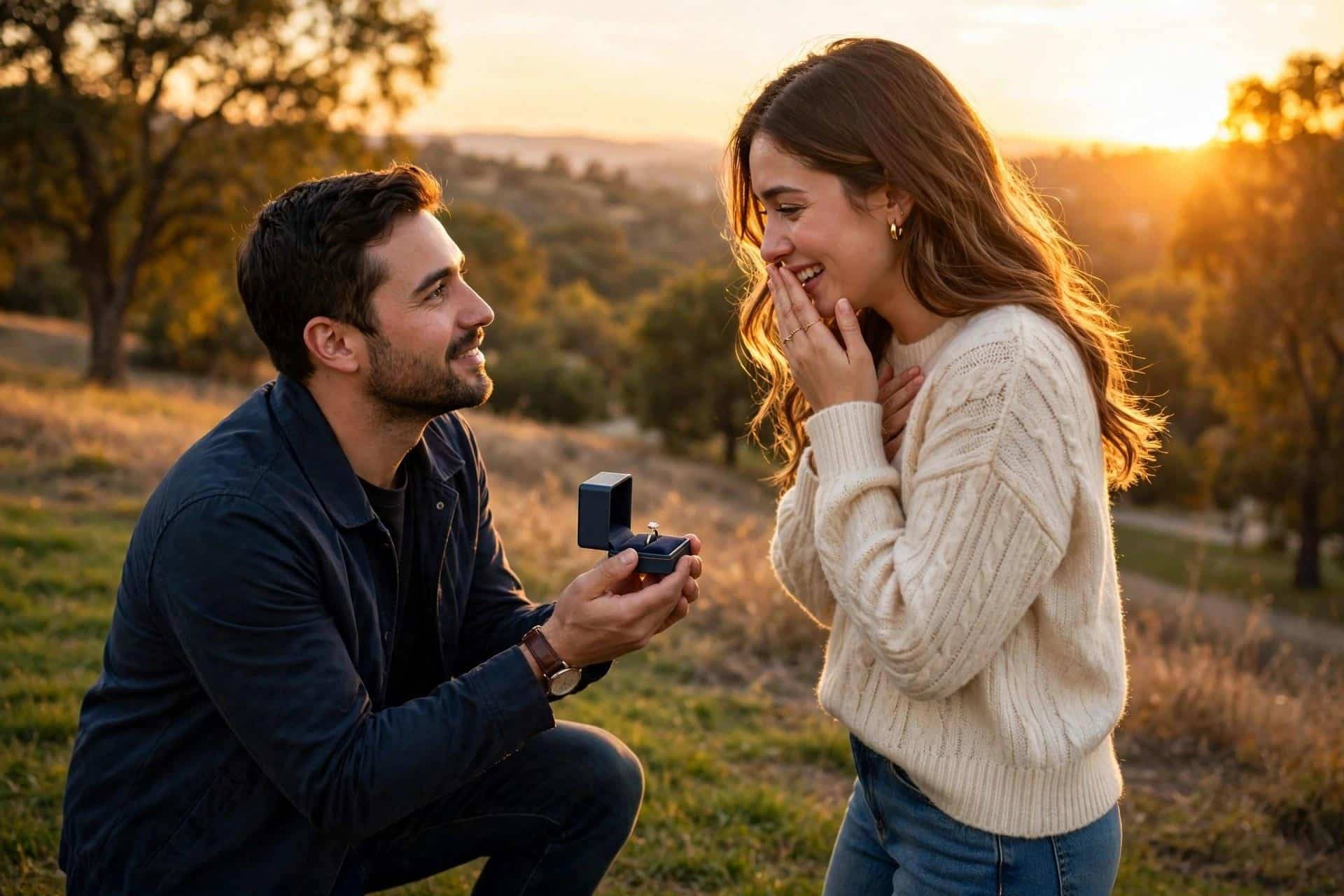
A proposal lasts a few seconds, but the ring stays on her hand for decades. That is why the choice of ring carries so much weight, and why so many couples now start their search in a different place than their parents did. Instead of asking only how a diamond was mined, they ask how it was made, what it cost, and whether it fits the life they are building together. More often than not, the answer they land on is a lab-grown diamond.
The Same Diamond, Grown in a Lab
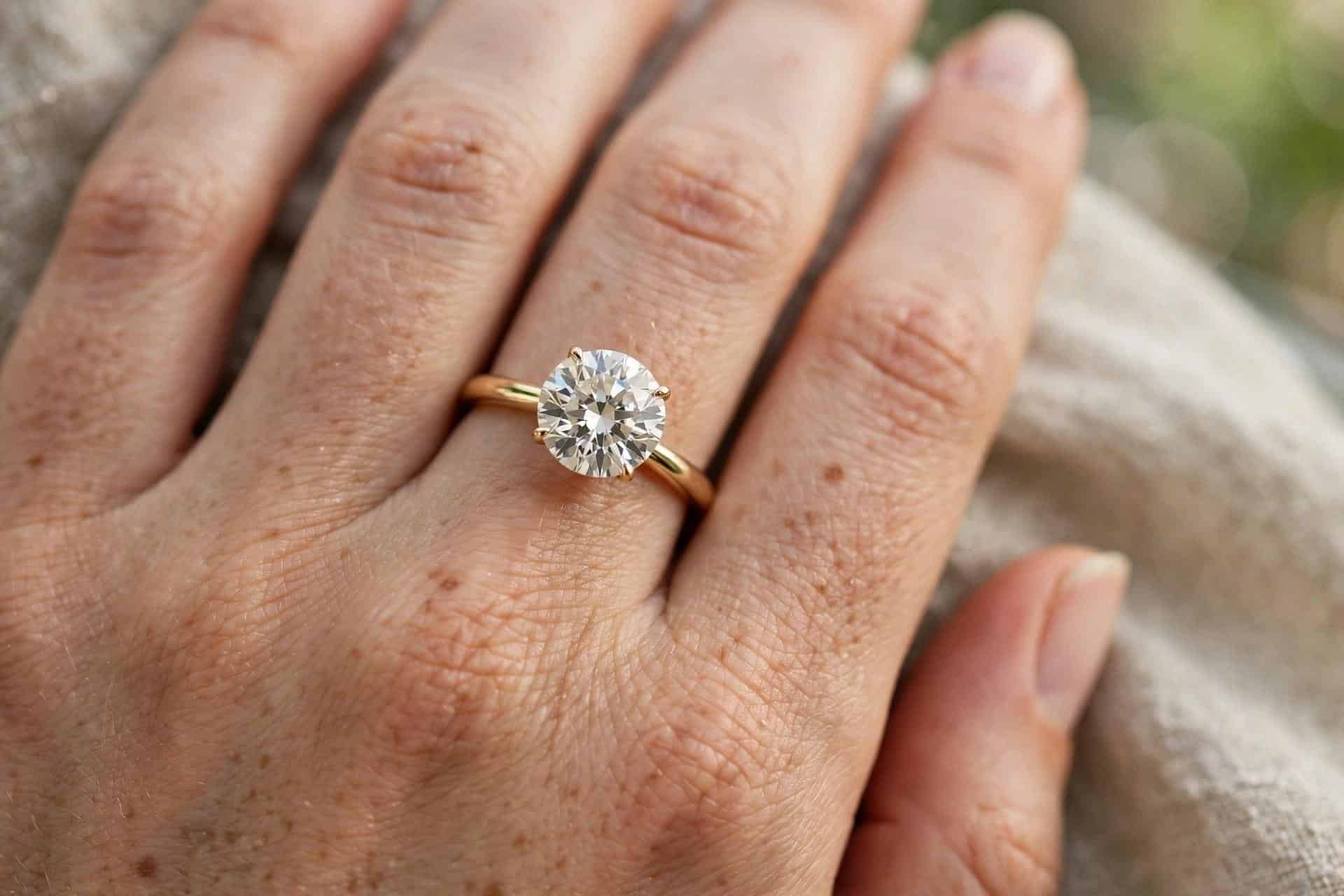
A lab-grown diamond is not an imitation. It is a real diamond, with the same chemical makeup, hardness, and sparkle as a stone pulled from the ground. The difference lies in the origin. Mined diamonds form deep in the earth over billions of years, while lab-grown diamonds are created in controlled conditions that copy that natural process, using either high pressure and high temperature or a method called chemical vapor deposition. Once cut and polished, both types are graded on the same scale: cut, color, clarity, and carat weight, known as the 4 Cs. Even experienced gemologists reach for specialized testing equipment to tell the two apart.
A Larger Stone for the Same Budget
Price is the reason many couples look at lab-grown stones first. A lab-grown diamond of a given size and grade commonly costs 60 to 80 percent less than a mined diamond of the same quality. That gap changes the whole conversation at the jewelry counter. A budget that covers a one-carat mined stone can often stretch to a two-carat lab-grown stone with a better color or clarity grade. Other couples keep the size they first had in mind and put the savings toward the wedding, a home deposit, or the honeymoon. Either way, the ring stops competing with every other plan the couple has.

Designs Built Around One Person
Lab-grown stones also open up design choices that a tight budget would close off. The classic shapes are all there: round, oval, princess, emerald, cushion, pear, marquise, and asscher. Settings range from a plain solitaire band to halo and pavé styles, in yellow gold, white gold, rose gold, or platinum. Because the stone itself costs less, couples can spend on the details that make a ring personal, such as a hidden accent stone or an engraved band. Custom jewelers such as Sofia Lior in Dallas build rings around a single chosen stone, a trade their owners have practiced with loose diamonds for more than 30 years combined.
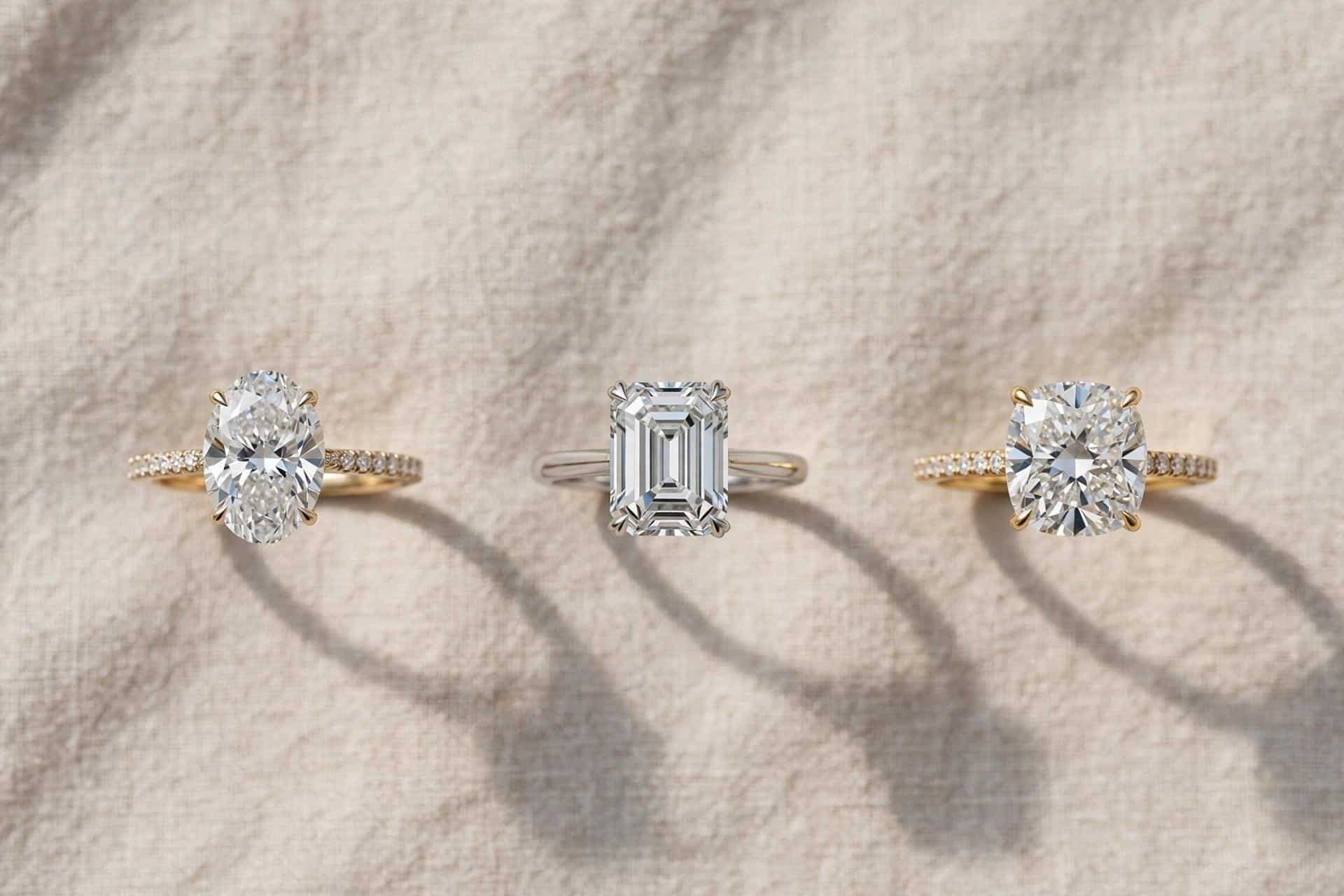
Browsing a full collection of lab-grown diamond engagement rings shows how wide the choice has become. Carat weights run from small accent stones to center stones of three carats and beyond, and each shape changes the mood of the ring: an emerald cut reads calm and architectural, while a cushion cut feels soft and romantic. Seeing the options side by side helps a couple settle on the style that suits the wearer’s hand and daily life, rather than the style that happens to be in stock.

A Stone With a Clearer Story
For many buyers, the origin of the stone matters as much as its sparkle. A lab-grown diamond needs no mining, so it avoids the land disruption and the murky supply chains that still trouble parts of the mined diamond trade. Its path from creation to ring is short and traceable. Lab production does use energy, and honest jewelers say so, but for couples who weigh environmental and sourcing questions heavily, the balance comes down in favor of the lab. The ring they exchange then carries a story they are comfortable telling.
Planning the Moment
The practical side deserves attention too. A custom ring takes time to make, often three to six weeks from design approval to finished piece, so ordering early keeps the proposal date safe. Many couples also book a showroom visit to see stone sizes on the hand before they commit; Sofia Lior runs one in Dallas, on Spring Valley Road. Ring size, a snug but comfortable fit, and insurance for the finished piece are small steps that protect a large purchase. With those details settled, the moment itself can stay simple: the right place, a few honest words, and a ring that was chosen with care.

Final Thoughts
Couples are not choosing lab-grown diamonds as a compromise. They are choosing them because the stones are real, the designs are wider, and the price leaves room for the rest of their plans. A proposal built around a ring like that starts the marriage on solid ground: thoughtful, personal, and free of needless debt.


