

Dress shopping often happens under bright mirrors, with clips, pins, and opinions coming from every direction. A corset top can bring a calmer baseline for shape and support through a long day. It gives you clear lines at the waist, and steadier hold across the bust area. It also helps you picture a second look later, without changing the whole vibe too much.
Some brides start by testing bodice shapes with white corsets under a skirt or a simple suit set. That quick try on shows where the top sits, and how it feels during full breaths. It also gives you useful words for a stylist, especially when you talk about structure. From there, you can match the corset line to your gown, your ceremony, and your reception plan.
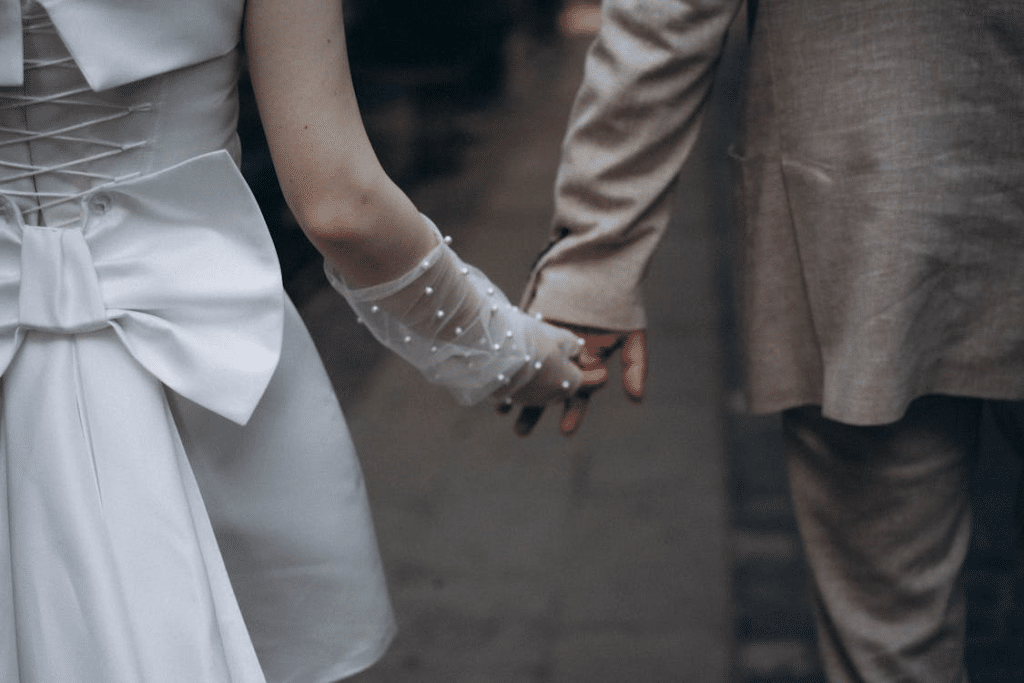
Photo by Seljan Salimova
Table of Contents
Choose The Right Corset Shape For Your Dress
Start with the dress neckline, because it decides which edges can show without looking like an accident. A straight neckline pairs well with a clean top line and smooth cups that stay quiet. A sweetheart neckline looks natural with a curved edge that mirrors the dress line on camera. A deep plunge needs a lower center panel that stays flat and does not buckle.
Next, decide whether the corset will be hidden, or whether it becomes part of the visible outfit. Under a gown, look for a smooth front and seams that do not print through satin. For a second look, visible boning can read like design, especially with a skirt in matte fabric. In both cases, pick a length that ends above the widest part of your hips.

Use these checks to narrow options before you spend time in fitting rooms and dressing areas. They also help an alterations team plan clean lines under layers of fabric and lace. Keep the focus on fit and movement, not just the mirror moment in the boutique. When you can sit and lift your arms, you are close to the right size.
- The waist should feel snug, yet you can sit and breathe without sharp pressure at ribs.
- Cup seams should lie flat, and the bust should not spill or gape with walking.
- The hem should stay smooth, and it should not roll when you raise both arms.
- Back lacing or hooks should stay even, and you should not see twisting near the side seams.
Build Support With Fabric, Lining, And Alterations
Comfort starts with what touches your skin, so check lining, edge elastic, and smooth boning channels first. Labels also matter, because wedding fabrics often need gentle care and lower heat at home. The FTC Care Labeling Rule explains what regular care instructions must be provided on apparel. When you can read labels well, you avoid the heat and steam that can warp structure.
If you plan to wear the corset under a dress, bring it to your first alterations visit. A seamstress can check where the corset ends, and where the dress waist seam sits. They can also add grip tape, move cups, or add a thin modesty panel inside. Those small changes can stop constant tugging during photos, hugs, and quick walks between rooms.
Do a wear test at home before you lock the outfit plan in place for good. Put it on, then wear it for an hour while you move through normal tasks. Walk, sit, eat, and lift your arms as if you are hugging friends and family. If it rubs or pinches, mark the spot and ask about lining or a soft insert.

Balance Necklines, Sleeves, And Bridal Accessories
A corset already draws attention to your upper body, so other details can stay clean and focused. If your skirt is plain, earrings or a veil edge can add texture without noise. If your skirt has lace or sparkle, keep jewelry light and let the fabric speak. The aim is a look that feels steady from the front, the side, and the back.
Sleeves and wraps can add warmth, yet they also change how the corset reads in photos. A sheer long sleeve layer can soften boning lines for a ceremony look that feels gentle. A satin shrug can cover the back while keeping the front shape sharp in photos. For outdoor portraits, a cape or coat can sit better over structure than a soft cardigan.
When you try accessories, take photos at chest height and from a few steps away, not only mirror selfies. You will notice strap lines, cup edges, and any gaping near the armhole much faster. You can also see whether a necklace fights the neckline shape, or sits in a weird spot. That small check can save time, stress, and last minute sewing when the schedule gets tight.
Plan Comfort For Photos, Dinner, And Dancing
The real test is time, because the day includes standing, sitting, and dancing in one long stretch. Pack a few comfort items in your bag or bridal suite, just in case you need them. Most of these fit in a small makeup pouch, and they help with quick fixes. They also keep you from feeling stuck in a look you otherwise love all night.
- Fashion tape can secure edges when you move from hugs to portraits and then to dinner.
- A spare pair of nipple covers can help if lining shifts after eating and warm rooms.
- A small blister bandage pack can cover a rub spot near ribs, underarm, or bra line.
- A tiny sewing kit can reattach a hook cover or tuck a loose ribbon in minutes.
If you ever get confused by care symbols, a short guide can help you decode them fast. The University of Florida IFAS guide explains common wash, dry, and iron marks in plain language. That matters when you spot clean a corset during a busy week before fittings and travel. It also helps you avoid heat that can soften glue, stretch elastic, or bend boning.

A Simple Fit Check Before The Big Day
Try the corset with your skirt, shoes, and hair plan, then move the way you will all day. Note any pressure points, then fix them early with lining, tape, or small alterations at home. When comfort is steady, the look stays calm, and your photos show ease instead of tension.


