

Key Takeaways:
- All on 4 treatment replaces an entire arch of teeth using four implants that work together to provide fixed, stable support without replacing each tooth individually.
- The angled placement of implants often reduces or eliminates any need for bone grafting, which can shorten treatment time and simplify recovery.
- Full-arch cases benefit from clinics that focus specifically on All on 4 care, where planning, imaging, and team coordination are built around complex implant work.
- Patients typically leave surgery with temporary fixed teeth, allowing them to speak and smile right away while healing continues beneath the surface.
- With proper care, follow-up, and realistic timing around major events, All on 4 dental implants support long-term comfort, function, and confidence.
A wedding day puts your smile in focus. Photos last, conversations are close, and confidence shows in every interaction. For people dealing with missing or unstable teeth, this moment often brings long-standing dental issues into sharp focus.
Many want a solution that improves daily comfort, not just appearance for one event. They want teeth that feel secure when eating, speaking, and smiling. This guide explains how an All on 4 clinic works, what the All-on-4 treatment concept involves, and how the process supports lasting oral health before and after the wedding day.

Table of Contents
The All-on-4 Treatment Concept Explained
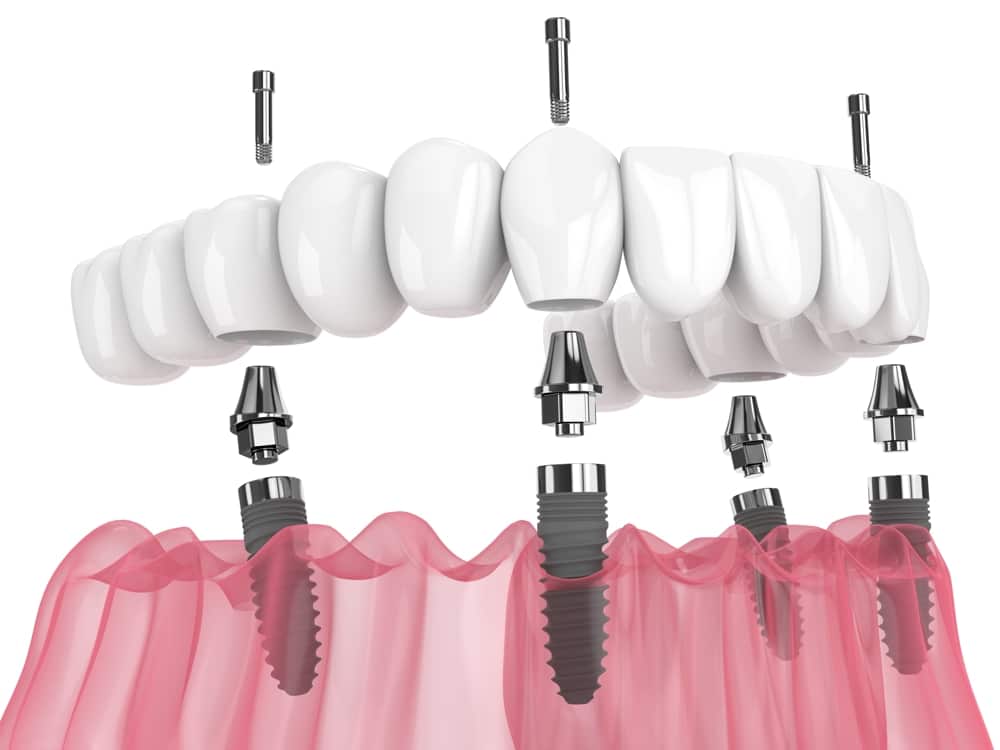
All on 4 is a method for full teeth replacement that uses four dental implants for supporting a complete arch of fixed teeth. Instead of placing one implant for each missing tooth, the implants work together to strengthen a single prosthesis.
There’ll be two implants near the front of the jaw, where bone density is often strongest. The rear implants are placed in such an angle that increases contact with available bone. This positioning improves stability while reducing reliance on additional procedures.
Because of this design, many patients avoid bone grafting even when bone loss is present. Fewer implants and fewer surgical steps often mean a shorter overall treatment timeline compared to traditional full mouth dental implants.
Dental Problems That Lead to Full Teeth Replacement
Most patients reach this stage after years of dental challenges. Tooth loss often results from advanced decay, untreated gum disease, or repeated infections that weaken natural teeth over time.
Some people deal with crowns, bridges, or older restorations that no longer fit well. Others experience dental implant failure caused by bone loss or outdated implant designs. Trauma, illness, or genetics can also lead to edentulous jaws, where all teeth are missing.
Removable dentures and Implant-Supported Dentures may offer short-term relief. Over time, movement, sore spots, and difficulty chewing can interfere with daily life. When these issues affect comfort and confidence, a fixed full teeth replacement becomes a more practical choice.
What Sets an All on 4 Clinic Apart
An All on 4 clinic is built specifically for full-arch implant care, not for occasional implant cases added onto general dentistry. Full teeth replacement involves higher forces, tighter tolerances, and less room for error than single-tooth work.
Patients often run into problems when treatment is handled in settings that aren’t designed for this level of complexity. Limited imaging, rushed planning, or fragmented care can lead to discomfort, delays, or avoidable adjustments after surgery. These issues may not appear right away, but they often show up during healing or once the prosthesis is in daily use.
A clinic focused on All on 4 treatment typically follows a coordinated workflow from the first scan to the final prosthesis. Surgical placement, bite planning, and prosthetic design are treated as connected steps rather than separate tasks. This consistency helps reduce surprises and improves long-term comfort.
For people dealing with advanced tooth loss or previous treatment failures, a specialised all-on-4 implant clinic helps ensure decisions are based on full-arch needs rather than quick fixes. The goal isn’t just to place implants, but to create a stable, balanced result that works in everyday life.
The Care Team and Planning Process
Care is delivered by a small team with defined roles. A surgical dentist places the implants. A restorative dentist designs the fixed prosthesis. Clinical staff support imaging, preparation, and follow-up care.
Digital scans and 3D imaging map bone levels, nerve positions, and bite alignment before surgery begins. This preparation helps avoid complications and supports predictable outcomes.
From Consultation to Surgery Day
The process begins with a detailed evaluation focused on both oral health and overall readiness for surgery. The dental team reviews jaw structure, bite alignment, existing restorations, and medical history to identify factors that could affect healing or implant stability.
Digital scans often replace traditional impressions and provide a clearer view of bone levels and anatomical structures. These scans help guide implant positioning and prosthetic design before any surgical steps are taken. This planning stage also allows the team to determine whether adjustments are needed to improve fit, comfort, or long-term balance.

Patients are given a clear outline of what will happen next, including the expected timeline between visits. Instructions often cover medications, eating guidelines, and practical steps to prepare for surgery day. Having this information in advance helps reduce uncertainty and allows patients to plan work, travel, and personal commitments more confidently.
By the time surgery day arrives, most decisions have already been made. This preparation helps the procedure move smoothly and keeps the focus on accuracy rather than last-minute changes.
The Surgical Procedure Step by Step
Dental implants surgery for All on 4 is typically completed in one visit per arch. Four implants are placed into the jawbone during the procedure.
The angled placement of the rear implants increases stability and often removes bone grafting from the equation. Each implant is tested for strength before moving forward.
When stability meets required levels, treatment continues without delay.
Immediate Function and Same-Day Teeth
Immediate function focuses on what patients experience after surgery. A temporary fixed prosthesis is attached shortly after implant placement.
These teeth stay in place and allow patients to speak and smile right away. While chewing is limited during early healing, daily comfort improves quickly compared to removable dentures. Many patients find this stage especially reassuring during social events.
Dental Implant Systems and Materials Used
The materials used in full mouth dental implants play a major role in long-term success. Implant shape, surface design, and connection strength affect how implants integrate with bone.
Clinics that specialize in All on 4 treatment tend to use dental implant systems with long clinical histories. These systems are built to handle strong bite forces and support long-term stability.
Proven Implant Design and Clinical Research
All on 4 treatment relies on implant systems that have been tested over many years. These systems are designed for full-arch cases, where stability and long-term performance matter more than speed alone.
Well-established dental implant systems are supported by clinical research and long-term patient data. This research helps guide implant shape, surface treatment, and connection strength. Consistent components also make future maintenance and adjustments easier if needed.
For patients, this focus on proven design helps reduce the risk of complications and supports predictable outcomes over time.

Zirconia Implants and Final Teeth Options
Zirconia is most often used for the final fixed prosthesis rather than the implant post itself. The material is strong, stain resistant, and maintains a natural tooth color.
For full teeth replacement, zirconia provides durability without sacrificing appearance. It holds up well under daily chewing and photographs naturally, which matters for milestone events.
Recovery, Healing, and Daily Life After Surgery
Recovery begins immediately after surgery, and the first few days are focused on rest and protection of the implants. Swelling, tenderness, and mild bruising are common during this period and usually peak early before easing. Following post-surgery instructions closely helps keep discomfort manageable and supports healthy healing.
Soft foods play an important role during early recovery. This reduces pressure on the implants while bone begins to integrate around them. Careful cleaning around the prosthesis helps protect the surrounding tissue and lowers the risk of infection. Patients are often surprised by how quickly daily routines return, even while healing continues beneath the surface.
Speech may feel different at first as the mouth adjusts to the new shape and position of the teeth. This adjustment period is normal and usually improves with everyday use. Eating in social settings may take some patience early on, but confidence often grows as comfort improves.
Follow-up visits allow the dental team to monitor healing and make small adjustments to the temporary prosthesis if needed. After several months, once the implants have fully bonded with bone, the temporary teeth are replaced with the final fixed prosthesis designed for long-term use.
Long-Term Oral Health Benefits
Fixed full mouth dental implants offer stability that removable options can’t match. They stay in place and support even bite pressure.
This stability helps preserve jawbone structure and facial support. Many patients report improved comfort, clearer speech, and the ability to enjoy a wider range of foods. Daily care involves brushing, cleaning beneath the prosthesis, and attending regular dental visits.
With consistent care, results can last for many years.
Risks, Implant Failure, and Biological Complications
All surgical treatments carry some level of risk, and full-arch implant care is no exception. Implant failure can occur when an implant doesn’t properly integrate with the surrounding bone during the healing phase. When this happens, the implant may need to be removed and replaced after healing.
Biological complications tend to develop more gradually. These may include inflammation of the tissue around the implants, infection, or bone loss that affects long-term stability. In many cases, these problems are linked to factors such as smoking, inconsistent oral hygiene, or underlying health conditions that affect healing.
Some complications don’t cause immediate pain, which is why follow-up care matters even when everything feels normal. Regular monitoring allows the dental team to identify early changes before they progress into larger issues. Addressing concerns early often prevents more complex treatment later.
Experienced clinics reduce risk through careful planning, precise implant placement, and clear aftercare guidance. Patient involvement also plays a role, as daily cleaning habits and routine checkups help protect the implants over time.
Choosing the Right All on 4 Clinic
Selecting the right clinic plays a major role in both comfort and long-term results. Full mouth dental implants place higher demands on planning, placement, and follow-up care than single-tooth treatments, so experience with full-arch cases matters.
Patients should look beyond general claims and ask specific questions. These include how often the clinic performs All on 4 procedures, how treatment planning is handled, and who is responsible for surgery and prosthetic design. Clinics that manage these steps in a coordinated way tend to provide smoother treatment and fewer surprises.

It also helps to understand how follow-up care is structured. Regular reviews, clear maintenance guidance, and access to ongoing support contribute to long-term implant health. Clear communication about timelines, expectations, and costs often reflects an organized clinic that prioritizes patient care over rushed treatment.
Planning All on 4 Treatment Around a Wedding
Major life events add extra pressure to dental decisions, especially when timing matters. While same-day teeth provide an immediate visual improvement, the body still needs time to heal and adjust after surgery.
Scheduling dental implants surgery well in advance allows swelling to settle and speech patterns to normalize. This extra time also helps patients grow comfortable with eating, smiling, and speaking in social settings before the event. Rushing treatment too close to a wedding can increase stress and limit recovery flexibility.
Temporary fixed teeth offer stability for photos and public interactions, even while healing continues beneath the surface. Final prosthetics are placed later, once the implants have fully integrated with bone. Planning early gives patients room to focus on the celebration itself rather than recovery details.
Conclusion
An All on 4 clinic offers a long-term solution, not a quick fix. With proper planning, proven dental implant systems, and experienced care, All on 4 dental implants support comfort, stability, and confidence well beyond the wedding day.


