Preparing for your wedding can be extremely exciting, but it can also be overwhelming. There is nothing easy about planning for a day you’ll never forget. Between finding the perfect venue, a dream dress, designing invitations, as well as all of the additional details and customizations, there is a lot of pressure when it comes to figuring out the most effective timeline to saying “I do.” Luckily, staying stress-free while prepping for your big day has never been easier with this ultimate guide!
To ensure you keep calm and carry on throughout the process of wedding planning, follow these do’s and don’ts!
You have at last discovered the one you need to spend the rest of your life with, also celebrated a memorable engagement event by giving your fiancé a Hip-hop Chain and now the time has come to plan your big day! Planning a wedding is one of the most energizing and remunerating things you will actually do, yet it could likewise be one of the most unpleasant activities. Who doesn’t need an ideal wedding day? Still, few couples make a few mistakes without knowing. What’s more, this guide will assist you with dodging these slip-ups.
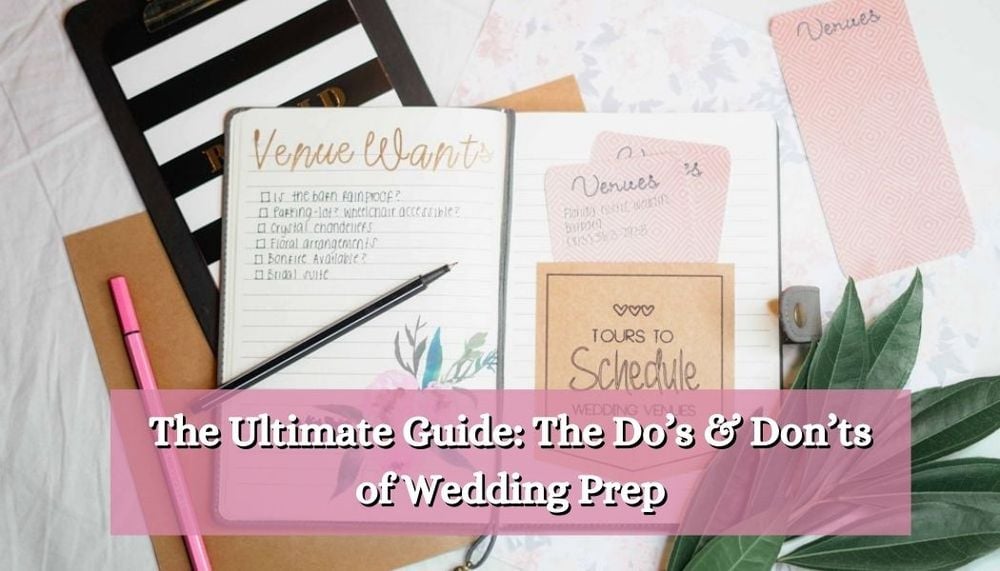
Set a Wedding Planning Timetable
The moment you get ready for marriage, everybody will ask about your wedding date. Yet, in all actuality, you won’t have the option to set a definite wedding date until other significant choices—like choosing (and booking) your venue. So first, center around deciding the scope of dates that will work for you. The normal engagement keeps going 15 months; yet additionally consider what season you’d like, any significant occasions or family occasions you’d prefer to abstain from clashing with, and how long you anticipate you’ll need to plan.
Make a List of Priorities
Sorting out what you need from your day is the place where to begin when arranging a wedding. What are the main components to you? Possibly you need a reason not to have incredible food and beverages? Perhaps large gathering isn’t your style and you need everything to be simple?
Having your needs straight will direct the rest of the cycle, making it simpler to pick where you’ll settle.
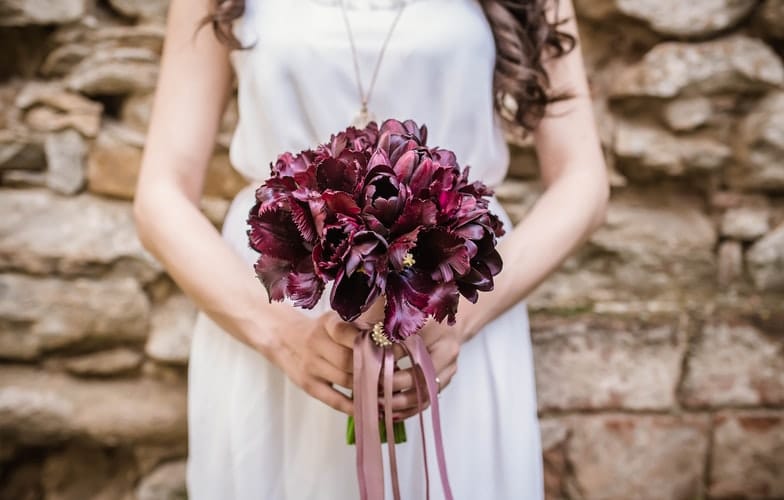
Wedding day preparations can be overwhelming at times. A lot of things should be scrutinized and well-planned – from the wedding cake to the flowers and rings, and even to the smallest detail of the wedding theme. After all, it is indeed a very special day for you and your groom and for everyone who will celebrate this milestone with you. Add the fact that almost all events are captured on camera today, one thing that a bride should not forget to consider important on her big day is to be in shape.
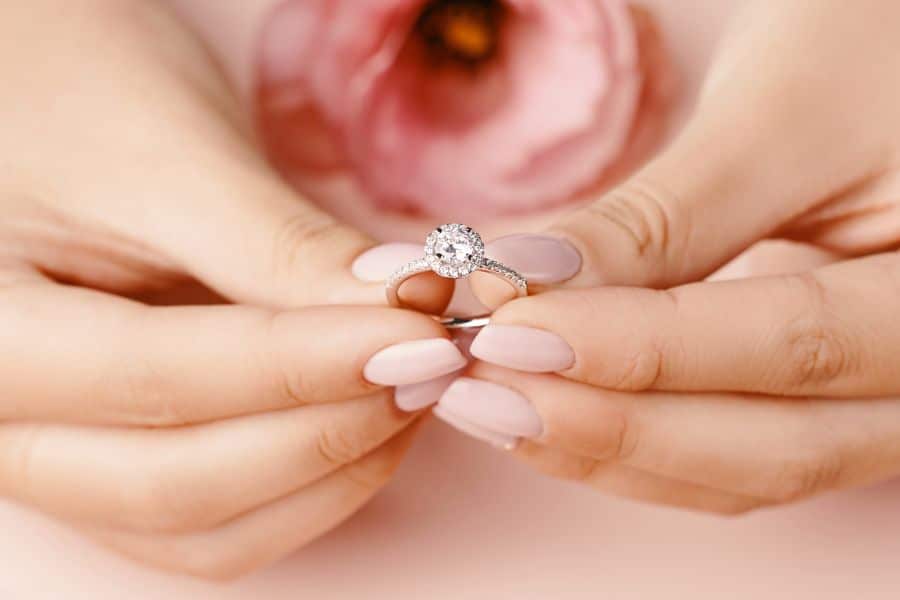
Most of us, regardless of if we are male or female, love rings and appreciate wearing them. However, buying a wedding ring can be quite challenging as your partner’s tastes may be unique, or we may not know what would suit them. They are fantastic for symbolizing eternal love, but you want to be sure that the ring you choose is just right.
We will start by giving you a brief introduction to the anatomy of the ring so you know precisely what we are referring to, then move on to the types of band, settings, and finally, the different kinds of metal you can use.
Anatomy
All rings comprise similar component parts. Every ring will have a shank, commonly referred to as the band. However, some rings will have some other features, and just a few of these are detailed below:
Setting
The setting which can sometimes be referred to as the head is where the main stone will be situated. There are many different setting styles; some are designed to allow maximum light to enter the stone, while others focus more on protection.
Gallery
The gallery is located under the setting and is visible from the side. In some rings, the gallery can be barely visible; on others, it is a prominent feature and can sometimes house another stone.
Shoulders or Accent
The shoulders, also known as the accent, are the sloping sides from the shank to the setting. On some rings, they will remain plain, but often they are adorned with a series of small gemstones.
Prong
Prongs are a series of tiny metal claws rising from the setting, which will hold the stone in place. Typically, there will be four to six prongs, allowing a large amount of light to pass through the stone displaying a gem, such as a diamond’s famous sparkle.