
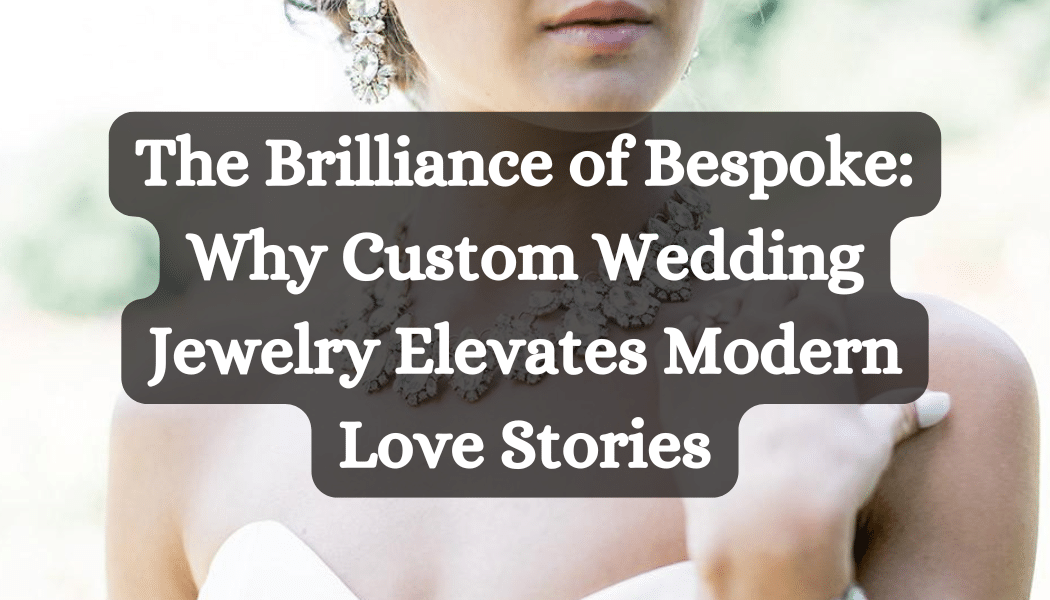
Wedding jewelry, particularly engagement and wedding rings, serves as one of the most enduring symbols of commitment. These pieces are worn daily, evoking memories of proposals, ceremonies, and shared futures. While traditional ready-made options have long dominated the market, custom wedding jewelry has surged in popularity.
This shift reflects a desire for authenticity in an era where personal expression matters deeply. Bespoke designs allow couples to craft items that encapsulate their unique narratives, preferences, and values, resulting in heirlooms that transcend trends.
Historically, custom jewelry was reserved for royalty and the elite, with artisans commissioned to create pieces incorporating specific gems or motifs. Today, advancements in technology and broader access have democratized the process. Couples now collaborate directly with skilled professionals to design rings, bands, earrings, or necklaces that align perfectly with their vision.
This approach not only ensures unparalleled originality, but also often delivers superior quality, as each element is selected and assembled with intention. The emotional resonance of a custom piece—knowing it was made exclusively for you—adds immeasurable value, making it a cherished part of the marital journey.
Beyond sentiment, custom jewelry offers practical advantages: precise sizing for comfort, optimized proportions for wearability, and material choices suited to lifestyle. Whether incorporating sustainable elements or reviving family stones, bespoke creation aligns with modern priorities like ethics and individuality.
Table of Contents
The Limitations of Ready-Made Wedding Jewelry
Mass-produced rings dominate retail displays due to their convenience, consistent pricing, and immediate availability. These pieces are manufactured in large quantities, often using standardized molds and settings to streamline production. While this ensures reliability and broad appeal, it inherently limits variety. Many designs recur across brands, leading to situations where multiple individuals own nearly identical rings.
This repetition can undermine the symbolic weight of wedding jewelry, which ideally represents singular commitment. Additionally, ready-made options may compromise on fit or material quality to maintain affordability at scale. Sizing adjustments are possible but limited, and alterations to design elements are rarely feasible.
Custom jewelry counters these constraints by starting from a blank canvas. Every decision—from shank width to prong style—is deliberate, resulting in a piece that complements hand shape, skin tone, and daily habits. Durability benefits from tailored construction: thicker bands for active lifestyles or reinforced settings for secure gem holding. Over time, these factors contribute to greater longevity and comfort, reducing the need for frequent repairs common in mass-produced items.
Step-by-Step: The Custom Jewelry Design Process
The bespoke journey is methodical yet flexible, blending creativity with technical precision to minimize surprises.
Idea Exploration forms the foundation. Clients compile mood boards, photographs, or verbal descriptions conveying desired aesthetics—perhaps a fusion of vintage filigree with contemporary clean lines. Professionals guide discussions, suggesting feasible interpretations while educating on material properties.
Conceptual Design translates ideas into visuals. Initial hand sketches capture proportions, followed by computer-aided design (CAD) software generating detailed 3D models. These renderings rotate digitally, allowing examination from every angle. Clients request iterations—adjusting stone size, band curve, or accent placement—until satisfied.
The Final Build brings the approved design to life. Traditional methods may involve creating a wax model for casting, where molten metal fills the mold. Modern techniques often use direct 3D printing in resin, followed by casting. Artisans then set gems meticulously, polish surfaces to mirror finishes, and apply final touches like rhodium plating for enhanced shine.
Throughout, quality checks ensure structural integrity. The timeline varies from weeks to months, depending on complexity, but the collaborative nature makes it engaging rather than overwhelming.
Personalization Options: Making It Uniquely Yours
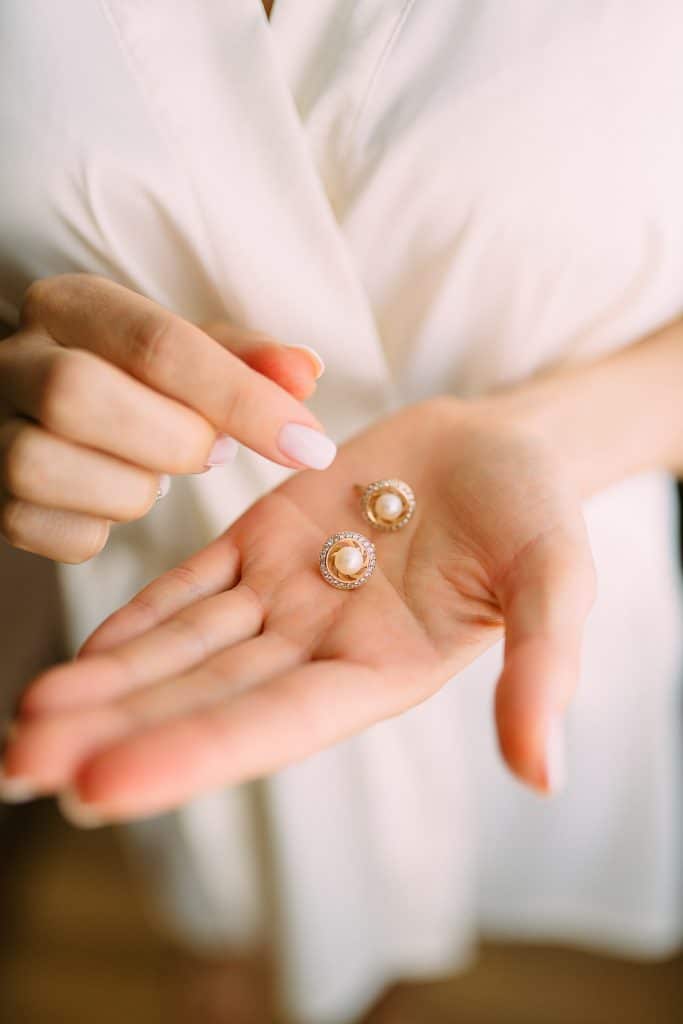
Personalization distinguishes bespoke jewelry, allowing integration of elements that resonate deeply.
Metal selection sets the tone: 14k or 18k gold balances durability with richness (higher karat offers purer color but softer wear); platinum provides hypoallergenic strength and cool luster; rose gold imparts romantic warmth through copper alloying.
Center stones offer vast choices beyond traditional diamonds. Sapphires rank 9 on the Mohs scale, nearly matching diamond hardness while introducing vibrant blues, pinks, or padparadscha hues. Emeralds evoke lush elegance, though requiring protective settings due to inclusions.
Moissanite delivers exceptional fire and brilliance at lower cost, appealing for ethical considerations.
Setting styles influence appearance and security: prong settings maximize light entry for sparkle; bezels encase stones fully for protection; pavé embeds tiny diamonds along bands for continuous shimmer; channel settings align stones in grooves for sleek modernity.
Engravings add hidden meaning—coordinates of meaningful locations, significant dates in Roman numerals, or short phrases. Motifs like infinity symbols, floral patterns, or celestial elements weave personal stories into the design.
Heirloom integration breathes new life into family pieces, resetting grandmother’s diamond into a fresh mounting.
Addressing Budget Realities in Custom Design
Personalized jewelry spans financial ranges through informed choices rather than fixed pricing tiers.
Basic designs like simple solitaires or pendants often start accessible, while intricate multi-stone works escalate investment. Key savings arise from eliminating retail markups and focusing resources precisely.
Lab-grown diamonds, chemically identical to mined ones, offer larger or higher-quality stones affordably while reducing environmental impact—no mining disruption, lower carbon footprint.

Repurposing existing gems eliminates major costs. Prioritizing the diamond’s cut (most impactful on brilliance) over carat weight maximizes visual impact economically.
Consultations reveal trade-offs transparently, ensuring alignment with priorities. The result frequently provides better value retention than comparable off-the-shelf pieces.
Why Expert Craftsmanship Is Essential
Mastery in jewelry making combines art and science, where minor deviations affect aesthetics and function.
Professionals employ techniques honed over years: precise stone setting prevents loss; symmetrical polishing achieves uniform reflection; alloy mixing ensures color consistency and strength.
Modern tools like CAD enhance accuracy, but hand finishing imparts soul—subtle hammering for texture or milgrain edging for vintage detail.
Gemological certifications verify attributes like color grade or clarity, protecting investment. This expertise yields pieces that age gracefully, maintaining beauty through generations.
Inspiring Examples of Custom Wedding Jewelry
Bespoke versatility shines through diverse creations.
Colored gemstone rings feature sapphire centers in ovals or princess cuts, accented by diamond halos or three-stone arrangements symbolizing past, present, and future.
Platinum halos surround brilliant centers with intricate engraving for vintage allure.
Rose gold pairs beautifully with moissanite, creating warm, ethical statements in hexagon or floral designs.
Minimalist solitaires emphasize singular stones in clean settings.
Art Deco revivals incorporate geometric patterns and milgrain.
Three-stone lab-grown diamond rings offer sustainable symbolism with emerald or round cuts.
These illustrate how custom adapts to any aesthetic, from bold to understated.
Starting Your Custom Wedding Jewelry Journey
Beginning requires research and an initial consultation to explore possibilities without pressure.
Understanding basics—process stages, material impacts, style terminology—empowers decisions. With thoughtful collaboration, the outcome is jewelry that not only adorns but profoundly represents a shared commitment, designed to sparkle through a lifetime together.


