
Your engagement ring sparked countless conversations over champagne toasts and coffee dates. It caught light during wedding planning sessions, marked the countdown to your celebration, and witnessed every moment leading to your vows.
Now you’re married. A wedding band sits alongside your engagement ring, and suddenly the question emerges: what happens next?
The answer isn’t one-size-fits-all. How you wear, care for, and cherish your engagement jewellery after marriage becomes as personal as the love story it represents.
Table of Contents
The Classic Stack: Tradition Meets Modern Styling
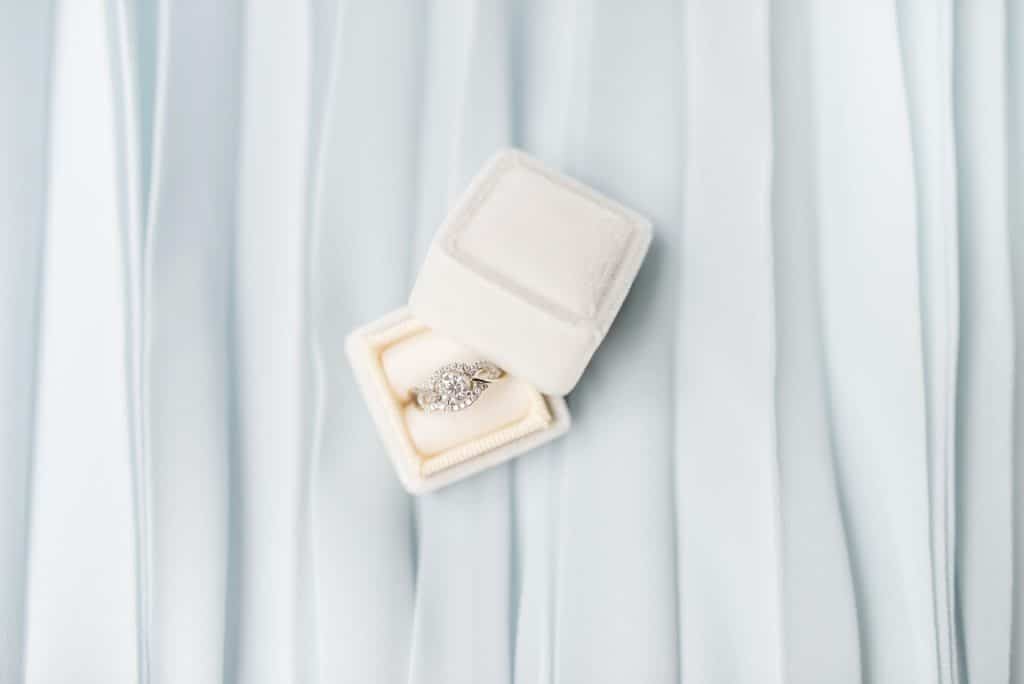
Most brides embrace the traditional approach of stacking their engagement ring with their wedding band. This timeless combination creates visual harmony while honouring both pieces equally.
Convention suggests wearing the wedding band closest to your heart, positioned beneath your engagement ring. The symbolism resonates: your wedding vows form the foundation, with your engagement promise layered above.
Reality often shifts this arrangement. Many brides discover their engagement ring sits more comfortably when worn first, particularly with settings that curve or feature prominent stones. Comfort always outweighs tradition when you’re wearing jewellery daily.
Stacking opens creative possibilities beyond simple pairing. Eternity bands, anniversary rings, and sculptural gold pieces gradually build a personal collection that tells your ongoing story. Modern jewellery designers craft pieces specifically meant to layer, creating cohesive sets that feel intentional rather than accidental.
Some couples commission custom wedding bands designed to nestle perfectly against their engagement rings. Curved bands that mirror solitaire settings, notched designs that accommodate side stones, and complementary metal choices create seamless unity between pieces.
Separate Occasions: When to Wear Each Ring Alone
Not every moment calls for your full bridal set. Learning when to wear pieces separately adds versatility to your jewellery wardrobe.
Wedding bands excel at everyday practicality. Their typically lower profiles survive daily activities better than elaborate engagement settings. Gym sessions, beach days, cooking adventures, and hands-on parenting all feel safer with just your band.
Conversely, some occasions deserve your engagement ring’s full brilliance. Black-tie events, anniversary celebrations, professional presentations, or evenings when you want to feel especially elegant all provide perfect opportunities to spotlight your engagement piece alone.
This approach also protects valuable stones from unnecessary wear. Engagement rings featuring delicate settings, pavé diamonds, or vintage details benefit from strategic rest periods that preserve their beauty long-term.
Rotating between your rings prevents you from taking either piece for granted. Absence truly makes appreciation stronger when your engagement ring reappears after time apart.
The Right Hand Movement: Alternative Wearing Options
Contemporary brides increasingly embrace non-traditional ring placement. Moving your engagement ring to your right hand creates fresh styling opportunities while maintaining its significance.
Cultural traditions across Eastern Europe and parts of South America have long favoured right-hand engagement rings. Adopting this practice connects you to broader global customs while giving your left hand breathing room.
Practical considerations also drive this choice. People working with their hands, healthcare professionals, or anyone who frequently removes jewellery for work often find that right-hand placement reduces constant on-off cycles that can damage settings.
Style-wise, this separation allows both rings to shine individually. Your engagement piece becomes a statement ring commanding attention solo, while your wedding band anchors your left hand with understated elegance.
Switching hands seasonally or based on outfit coordination adds playful flexibility. Rings become fashion accessories rather than static fixtures, responding to your mood and aesthetic preferences.
Storage Solutions: Protecting Your Investment
Even the most beloved engagement rings need proper rest. Creating designated storage protects both the physical piece and your financial investment.
Home storage requires thoughtful consideration beyond tossing rings into jewellery boxes. Individual compartments prevent stones from scratching other pieces. Soft fabric linings cushion delicate settings. Secure closures protect against accidental spills or curious pets.
Travel presents unique challenges. Hotel safes offer better security than leaving rings in bathrooms or bedside tables. Purpose-built travel cases with secure closures and compact designs slip easily into carry-on luggage, keeping valuable pieces close rather than checked.
Professional storage sometimes makes sense for extended periods. Bank safety deposit boxes provide climate-controlled security for heirloom pieces or engagement rings too valuable for daily wear. This option particularly suits rings inherited or purchased before adequate insurance coverage.
Regular professional cleaning and inspection catch potential issues before they become problems. Jewellers check prong security, examine stone settings, and restore shine during these visits. Scheduling annual maintenance appointments becomes as routine as car servicing.
Protecting What Matters: Insurance Considerations
The moment your engagement ring leaves the jeweller, its protection becomes your responsibility. Understanding insurance options transforms anxiety into confidence.
Standard home contents policies typically cover jewellery up to modest limits, often just a few thousand dollars. Engagement rings frequently exceed these basic thresholds, creating dangerous coverage gaps when valuable pieces go missing or sustain damage.
Specialised jewellery coverage addresses this vulnerability. Dedicated policies protect against theft, loss, accidental damage, and mysterious disappearance beyond what general household insurance offers. Coverage extends worldwide, crucial for destination anniversaries or travel with treasured pieces.
Valuations form the foundation of proper protection. Professional appraisals document your ring’s replacement value through detailed descriptions, photographs, and current market pricing. These certificates become essential when filing claims, proving both ownership and worth.
Annual revaluations maintain accurate coverage as precious metal and gemstone markets fluctuate. What you paid five years ago rarely reflects today’s replacement costs. Keeping valuations current prevents underinsurance that leaves gaps during claims.
Different coverage options suit different needs. Some policies replace items through approved jewellers at wholesale costs. Others offer cash settlements based on appraisal values. Understanding these distinctions before purchasing coverage prevents surprises during already stressful claim situations.
For comprehensive protection that matches your ring’s significance, see more about jewellery insurance with NRMA to explore options designed specifically for valuable pieces that deserve proper safeguarding.
Restyling and Reimagining: When Your Ring Evolves
Personal style shifts over time. The ring you loved at twenty-five might feel different at thirty-five or forty-five. Evolution doesn’t diminish the original sentiment, it honours growth.
Resetting existing stones into new designs breathes fresh life into engagement jewellery. Solitaire diamonds transition into three-stone arrangements symbolising your journey together. Vintage settings modernise through contemporary metalwork. Inherited pieces transform into wearable art, matching current tastes.
Adding anniversary stones builds upon your original engagement ring. Side diamonds, colored gemstones, or additional bands create custom collections unique to your relationship timeline. Each addition marks milestones worth commemorating.
Metal changes refresh existing designs without altering their structure. Yellow gold converts to white or rose alternatives. Platinum settings offer increased durability. Mixing metals creates fashion-forward contrast reflecting current engagement ring trends while maintaining your ring’s core identity.
Professional jewellers guide these transformations, offering expertise that respects sentimental value while achieving updated aesthetics. Consultations reveal possibilities you hadn’t imagined, turning beloved pieces into something even more meaningful.
The Heirloom Path: Planning Beyond Your Lifetime
Engagement rings often carry stories spanning generations. Thoughtful planning ensures your ring continues its journey long after you’ve finished wearing it.
Documenting your ring’s story preserves context for future owners. Written histories detailing when, where, and why you received it add emotional layers beyond monetary value. Photographs tracking its evolution through different settings or styling choices create visual timelines connecting past and future.
Choosing who inherits your ring requires honest conversations. Children, grandchildren, nieces, nephews, or chosen family members might all represent meaningful recipients. Discussing preferences while alive prevents post-mortem confusion or hurt feelings.
Some families create ring rotation traditions. Rather than being passed down permanently, pieces circulate among family members during engagement periods before returning to the next generation. This approach shares resources while maintaining collective ownership.
Trusts and formal estate planning documents remove ambiguity around valuable jewellery. Legal designation prevents disputes while ensuring rings reach intended recipients according to your wishes rather than default inheritance rules.
Daily Wear Wisdom: Making Your Rings Last
Practical habits determine whether engagement rings survive decades or require constant repair. Small actions accumulate into significant preservation.
Remove rings before hand-intensive activities. Gardening, heavy lifting, baking, cleaning, and exercise all pose risks to delicate settings and soft, precious metals. Creating a designated ring dish near sinks reminds you to remove jewellery before potentially damaging activities.
Chemical exposure gradually erodes gold and loosens stones. Chlorine in pools, harsh cleaning products, perfumes, and lotions all contribute to wear over time. Applying lotions and perfumes before putting on rings minimises contact with these substances.
Regular sonic cleaning at home maintains sparkle between professional services. Gentle dish soap and warm water revive brilliance without requiring jeweller visits. Soft toothbrushes reach under settings where dirt accumulates, restoring light reflection.
Professional maintenance catches problems early. Annual inspections identify loose prongs, worn shanks, or developing issues before stones disappear. This preventive approach costs far less than emergency repairs or replacement.
When Separation Makes Sense: Alternative Choices
Not every bride continues wearing her engagement ring post-wedding. Valid reasons exist for choosing different paths, and these decisions deserve respect rather than judgment.
Career requirements sometimes necessitate bare fingers. Healthcare workers, chefs, mechanics, or anyone working with machinery often cannot wear rings safely. Wedding bands sometimes slide under this restriction, while engagement rings exceed practical limits.
Lifestyle changes affect jewellery compatibility. New parents worried about scratching babies, athletes prioritising performance over accessories, or minimalists embracing simplified living, all might choose alternatives to traditional ring wearing.
Some couples redefine their engagement rings’ roles entirely. Rings become special occasion pieces rather than daily staples. Necklace conversions, bracelet charms, or shadow box displays honour the piece’s significance while acknowledging changed circumstances.
Selling or trading engagement rings occasionally makes financial or emotional sense. Failed engagements, unhappy marriages ending in divorce, or simply preferring different styles all represent legitimate reasons for moving on. Jewellery should enhance life rather than burden it.
Your Journey, Your Rules
Marriage transforms engagement rings from symbols of future promises into tangible reminders of vows kept. How you wear, protect, and cherish these pieces becomes entirely your decision.
Some brides never remove their stacked sets, creating permanent fixtures on their left hands. Others rotate through collections based on outfits, occasions, or moods. Still others choose simplicity, wearing wedding bands alone and reserving engagement rings for special moments.
Trends come and go. Bridal jewellery aesthetics shift seasonally. But the meaning behind your engagement ring remains constant regardless of how you choose to wear it.
What matters most isn’t following any particular tradition or trend. What matters is that your approach feels authentic, comfortable, and aligned with your life as it unfolds.
Your engagement ring witnessed your journey to this moment. How it continues alongside you from here belongs entirely to your story, and no one else’s.


